79 Neighborhoods in St. Louis
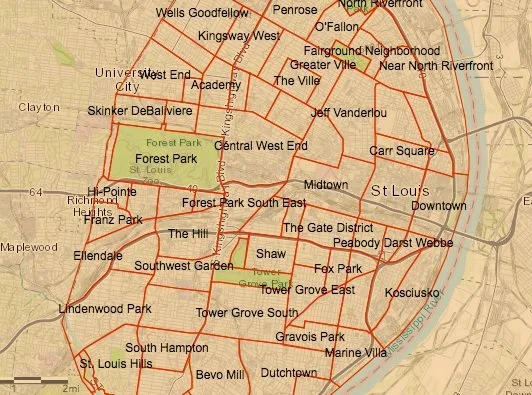
I've lived in six different neighborhoods in St. Louis since 1994. But many parts of the city were unfamiliar to me. As a responsible citizen, I feel you have to make strides to truly understand your city. You have to know the entire city, not just your little neck of the woods. Looking at a map of all 79 neighborhoods, it was hard not to become fascinated with the names and arbitrary borders. Back in 2009, the timing seemed right to visit and document my findings/observations from each and every neighborhood. So in an effort to satisfy my curiosity, I spent a day in each of the 79 neighborhoods taking photos and notes as I went. I made a separate post on each neighborhood. It took me over two years to complete, but I captured a period of time in our long history and in 2019, I started revisiting the neighborhoods and highlighting what has changed, what I missed in the original and what are the future needs. Check them out and leave a comment if I missed anything worthy of shedding a light on. Cheers!
St. Louis Neighborhoods

CWE is arguably St. Louis' greatest, most vibrant neighborhood. It's got so much to offer that almost any right-minded city lover would desire to call the CWE home. Geez where do I start?
How about the location? CWE has direct proximity to Forest Park, easy access to I-64, the previously mentioned Metrolink/MetroBus access, a world-class hospital complex, multiple independent and chain restaurants, independent shopping/galleries, bars, mixed architecture, civilized movie theatre, public library branch, walkable streets, mid-century mod buildings, history, economic/racial/ethnic diversity, you name it....CWE has it all. It's the perfect neighborhood for a date night, a must-stop on visitor tours of St. Louis and a great spot for lunch/dinner or a snack before heading to Downtown, Forest Park or many of the other nearby draws of Grand Center, Midtown Alley, etc. The presence of Barnes/Jewish, Children's Hospital and Washington University Medical School also make this a powerhouse employment area.

Check out the roundabout at the convergence of Goodfellow, Halls Ferry, Riverview, and Lewis and Clark Blvd; it reminds me of the Tempest screen. There just aren't that many roundabouts in St. Louis, but this one is very cool. The St. Louis County cities of Bellefontaine Neighbors and Jennings abut Baden to the north and west.
Baden became part of St. Louis in 1876, but was never incorporated as a city prior to that date. It has the distinction of being a north side residential neighborhood that had a GAIN in population at 3% in the 2000 Census count. However, that momentum was not sustained from 2000-2010 when Baden lost 14% of its residents. The 2010 Census data showed the racial demographics of 92% black and 6% white. St. Louis continues to take a beating in loss of residents. People are voting with their feet and Baden, like nearly all neighborhoods, felt that sentiment.

I can only imagine what the Greater Ville must have been like when this was a bustling, successful neighborhood.
This seems to be another neighborhood with an identity crisis, it could simply be called the Ville, no? In fact, the neighborhood link on the city website does link to the Ville's site for information.
This has got to be one of the most neglected and struggling parts of town. I love it here and hate it here all at the same time. I can't sum it up in writing how I feel when I read about the great history of places like the Ville and then go visit them and see the overwhelming decay and negativity.

As you can see I-55 butchered Carondelet and divided it in two. It's a rough cut that makes access nearly impossible by foot/bike. It's a sad part of Carondelet's long history.
Carondelet used to be an independent city founded in 1767 by Clement DeLore de Treget, until St. Louis absorbed it in 1870. The Patch neighborhood was also originally part of Carondelet, but is now a distinct neighborhood. Most St. Louisans think of the Patch as Carondelet anyhow, and it's branded as such, so why not just merge them? The charming area around the Ivory Theatre which includes several cafes and bars has a big "City of Carondelet" painting in the middle of the road.

Dutchtown was the first neighborhood I moved to when coming to St. Louis in 1994. I think my rent was around $225/month. Not bad for a recent college grad with no money. I fell in love with the City with Dutchtown as my home base. At that time I rode my bike everywhere and Dutchtown was VERY walkable and easy to get around with many intra-neighborhood businesses, etc. It was a nice place to call home then and now.
Dutchtown takes its name from from Deutsch, i.e., "German", as it was the southern center of German settlement in St. Louis in the early 19th Century. The neighborhood was designed with pride and craftsmanship; it was built to last.

Riverview was one of the few neighborhoods to gain residents in the 2010 Census count. There are now 304 people calling Riverview home! 69% black, 29% white and 2% Hispanic/Latino.
This is a unique place in St. Louis: it's shape, its topography, etc. It's really just a narrow sliver of land wedged between the St. Louis County cities of Glasgow Village, Riverview (the Village) and Bellefontaine Neighbors and of course the mighty Mississippi River. There's a lot going on in this little neighborhood of St. Louis.

Bevo Mill is charming mix of smaller single family homes and apartment buildings for largely German immigrant clay mine and factory workers. Once a beacon of immigration of Bonsians/Croats/Mesopotamians/Roma for nearly a decade and a half, now we’re back to the modern day gamish of St. Louis people and places. A true mixed neighborhood that is charming and largely stable.

Anyhow, the obvious guess is that Jeff Vander Lou takes it's name from Jefferson and Vandeventer which serve as east/west boundaries, but where does the "Lou" come from? Sure St. Louis Avenue runs through the neighborhood, but Natural Bridge is the northern boundary and Delmar the southernmost boundary. Maybe we should change the name to a more contemporary and accurate moniker such as Natty Del Vandy Jeff...just kidding...I think Jeff Vander Lou is cool sounding and next to the Patch, is my favorite St. Louis neighborhood name.
An acquaintance alerted me to keep my eye out for some of the coolest street names in the entire city right in JVL. It's true there are some gems, and I feel I've gotta give a tribute to some of my favorites...

GS is a major urban success story of the last 15 years. It's got the makings of the perfect St. Louis neighborhood: a stunning park within walking distance, 2 major commercial districts, fabulous architecture and a strong neighborhood association. The bad news is, it experienced a 10% loss of residents from 2000-2010, even our nicest neighborhoods continue to post losses as TGS is down to 13,333 people. Anyhow, this is still a highly desirable neighborhood and I'd put it up there as a clear top 10 for St. Louis places to live, work and play. The neighborhood has a progressive feel.
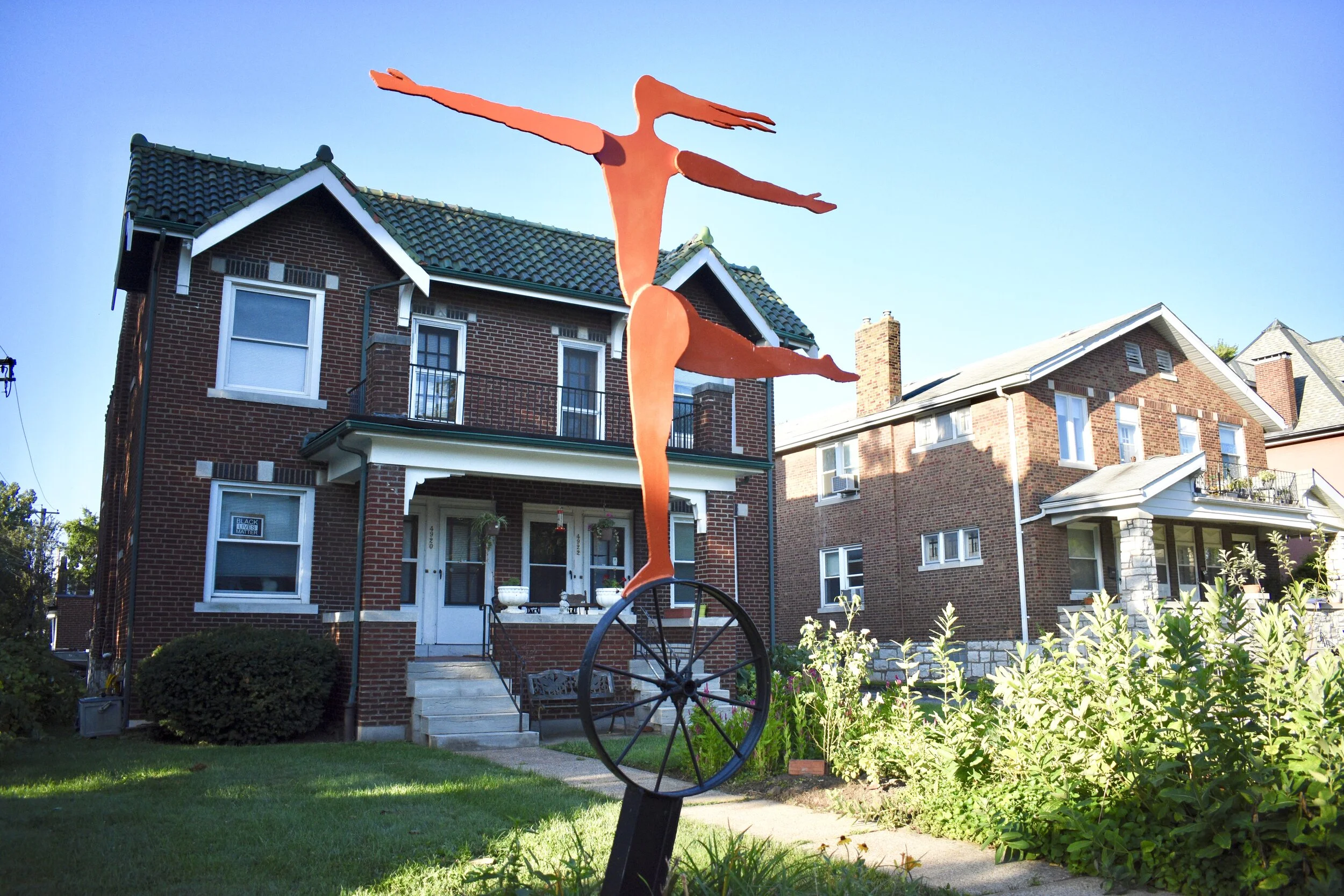
Southwest Garden is really a tale of two neighborhoods. First is the area east of Kingshighway which is dominated by tree-lined streets with gorgeous multifamily properties. It is more similar to the Shaw neighborhood. The section west of Kingshighway seems very similar to the Hill. But it does have its own identity, .

It will be interesting to see if the membership rates are the same at both locations, or if they stick it to the south siders. It will also be interesting to see if they have the YMCA run the facility. I hope they do, because they run a tight ship. The proximity of this new recreation complex along with the fact that the neighborhood has a bright, dedicated young alderman, Antonio French, who I am confident can lead the area in the right direction. And to add to the positive trajectory of the area, all the buildings in the O'Fallon neighborhood will be in a historic district as of 2012. It will be nominated as a National Register of Historic Places. See the full story at the Preservation Research Office.
This is great news, as there are some AMAZING homes just south of O'Fallon Park. They are among the best looking mansions in the city rivaling Holly Hills Boulevard, Lindell, DeBaliviere and other great areas, but O'Fallon has not fared as well as far as retaining people with the means and dedication to maintain the architectural heritage.
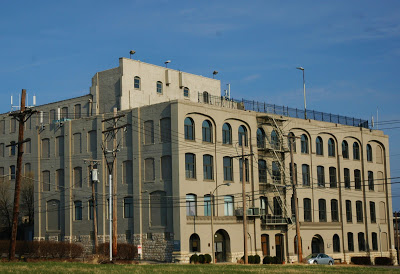
Most people in the region, and even city residents consider DTW to be Downtown. In fact, DTW doesn't even have it's own link on the city website, it simply points to the DT website. This is yet another data point toward my hypothesis that St. Louis could consolidate many of its neighborhoods down from 79 to ~50. But make no mistake, this is an important part of the city, and one of our greatest, most high-profile parts of town. It is a distinct neighborhood gaining population and is an extremely important connection between Downtown and the burgeoning Midtown area giving us a more and more impressive central corridor.

As with any neighborhoods in a state of severe residential decline, there are signs of when the area was thriving and quite dense; but sadly, those days are over. There were the once bustling commercial corridors of MLK, Natural Bridge, Goodfellow, Union and St. Louis Avenue, as well as signs of many intra-neighborhood corner stores...
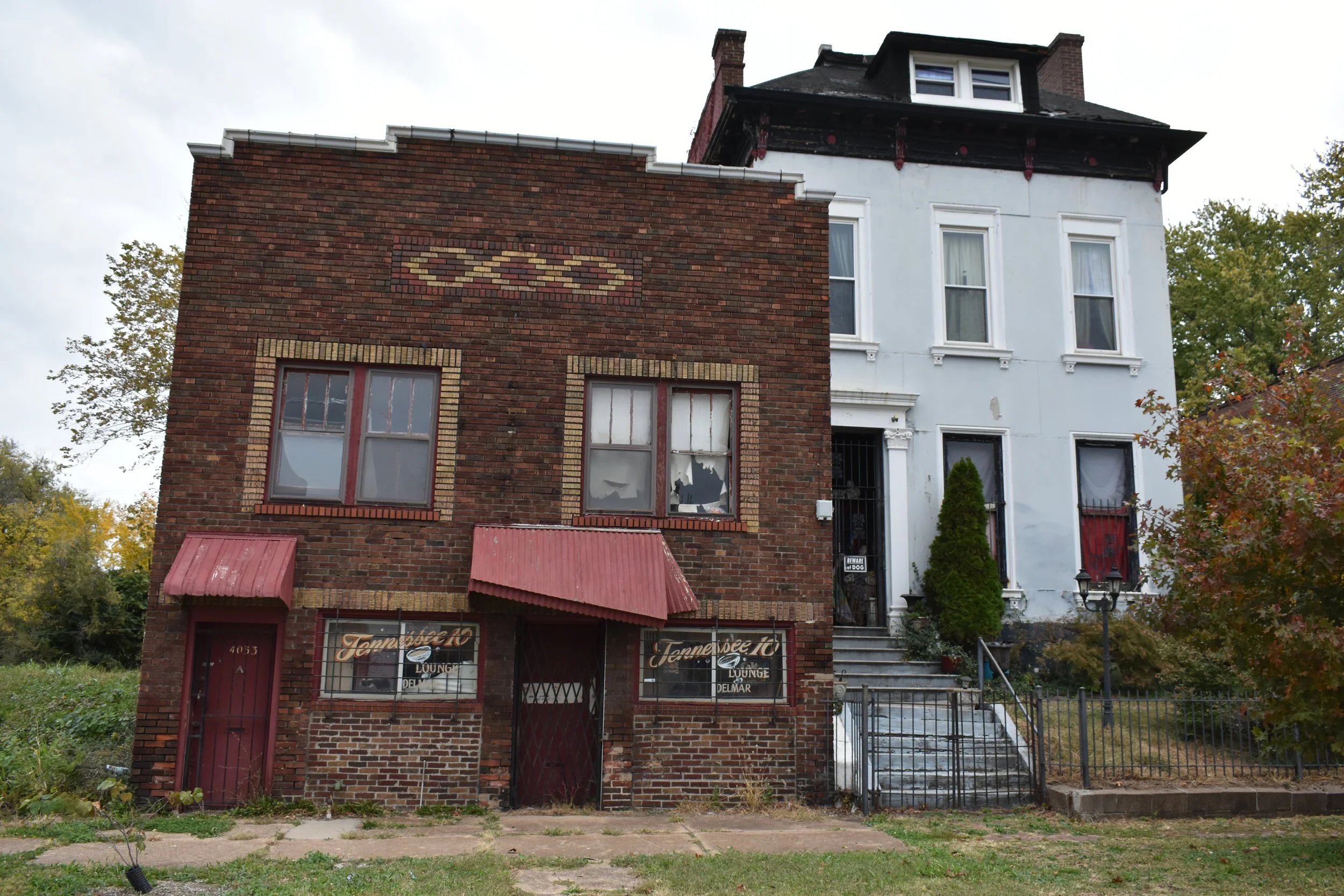
The Vandeventer Neighborhood is a near north St. Louis Neighborhood surrounded by more stable neighborhoods. A perfect opportunity for more investment and people.

It's hard to think about the massive losses we've experienced as a city over the years. It's hard to believe we let this happen. What a disposable society we are that allows this kind of architecture and history to fall by the wayside. Fairground Park is crumbling and is a tad threatening in more ways than one. This has been a volatile place when it comes to race relations in St. Louis going back to the 1940s. There was some major violence back in 1949 when the city ordered the desegregation of the swimming pools in the park. After a couple days of violence and blood shed, the city decided to go back to segregation. There's an excellent retelling of the story summarized on the Missouri History Museum website...

The vast majority of structures are surface lots for trucking distribution and other operations. Metal scrap yards, recycling facilities, salvage yards and contemporary metal sheds housing businesses of all kinds. I tried to point out the areas with a little more character, so you won't get a real feel for what the neighborhood looks like...which is frankly quite bland. For instance the Dial Corporation has a huge facility that makes detergents; but it's really nothing special to look at. Another thing to point out is that much of the property in North Riverfront is private and access is a challenge. The best way to take in this "neighborhood" (really an industrial area) is from atop the hills of Calvary Cemetery or from the Riverfront Trail. If you haven't checked out the 10 mile asphalt Riverfront Trail, you must. It takes you right along the Mississippi River in some spots and and also skirts some impressive industrial operations allowing you sight access to some otherwise unattainable areas. A ride north of Downtown will serve as an important reminder that St. Louis is still a working river town.

There are lots and lots and lots of dilapidated and crumbling structures new and old in Hyde Park today. But I just can't put my finger on the way these neighborhoods make me feel. On one hand, it's clearly depressing to witness, but on the other hand, you can't help but notice the beauty and care that went into making this neighborhood an important place. The Germans that settled here did there best at making this a European-like self-contained turn of the 19th Century masterpiece of a neighborhood. Their diligence and good design can still be felt today, and it's awe inspiring. There's evidence of some positive efforts from those that have stuck it out over the years and maybe some new investment going into maintaining this place. Maybe enough to stabilize it for future generations to try to figure it out and fix it so it's a show place and contributor to St. Louis status as the premier American city of neighborhoods.
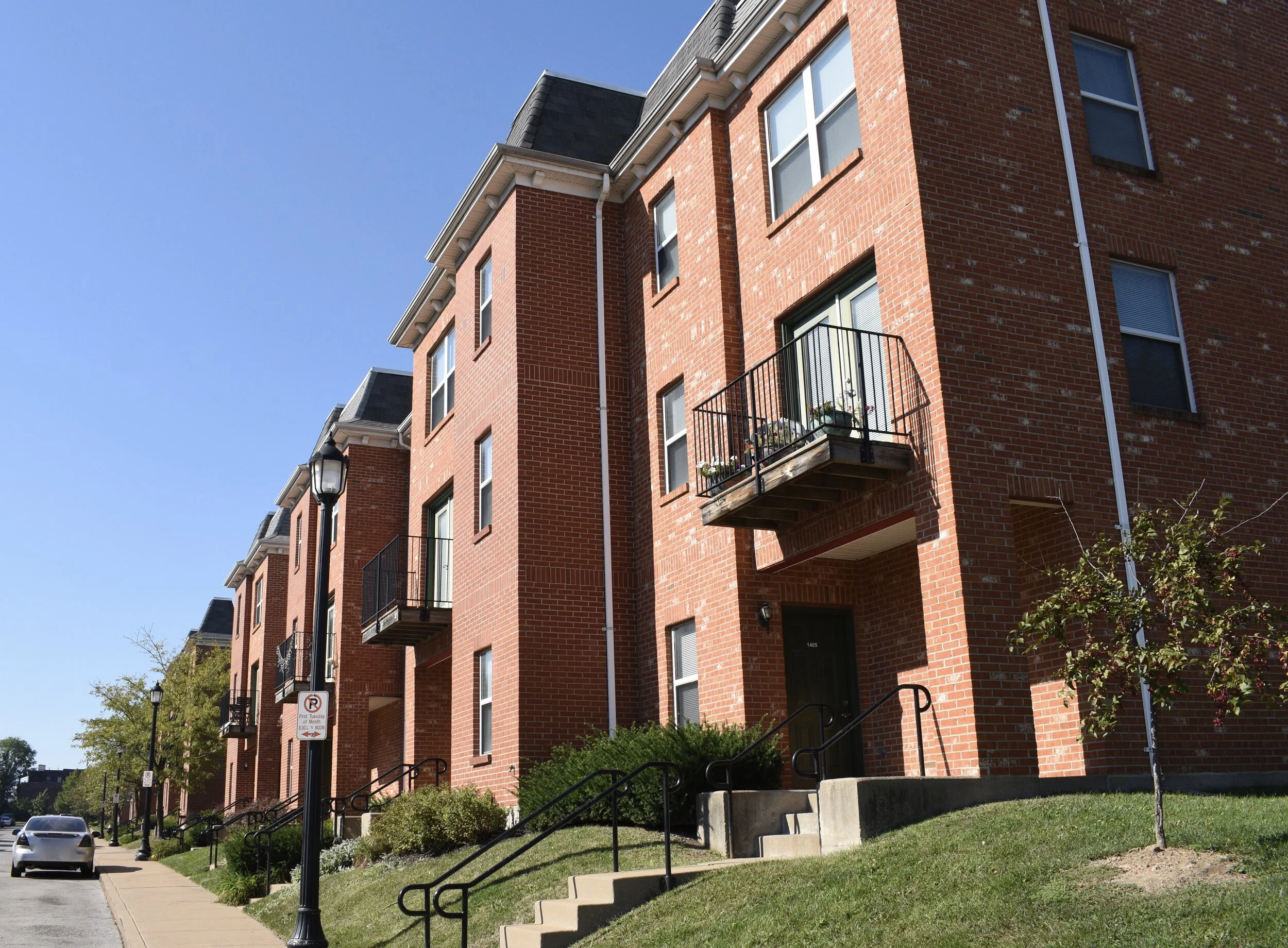
A neighborhood that includes modern subsidized contemporary housing, market rate, some gorgeous rehabs and much needed retail that serves the area.

Not unlike Kingsway East, I would describe the current state of Kingsway West in the area between "holding on" and "stable". It's seen better days, but there are still businesses serving the area, a decent park with tennis courts, ball fields, a football field and indoor/outdoor swimming pool in the Wohl Community Center and enough housing stock in decent condition to provide hope for a bright future.
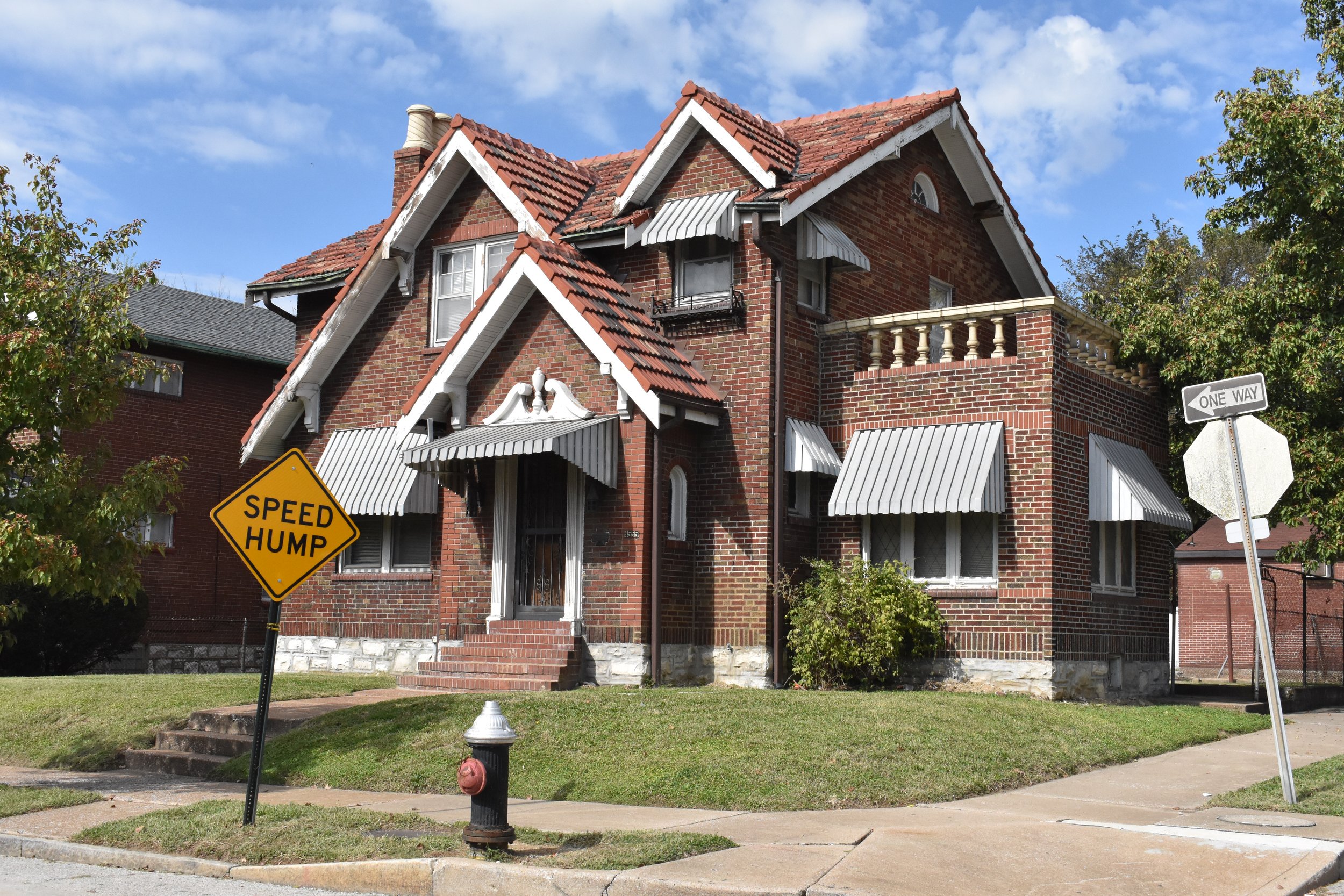
While population continues to drop, stability still remains. Invest now in this beautiful neighborhood.

Fountain Park has lost 41% of its population since 1990, but there could be a brighter future as investors, developers and rehabbers are taking notice.
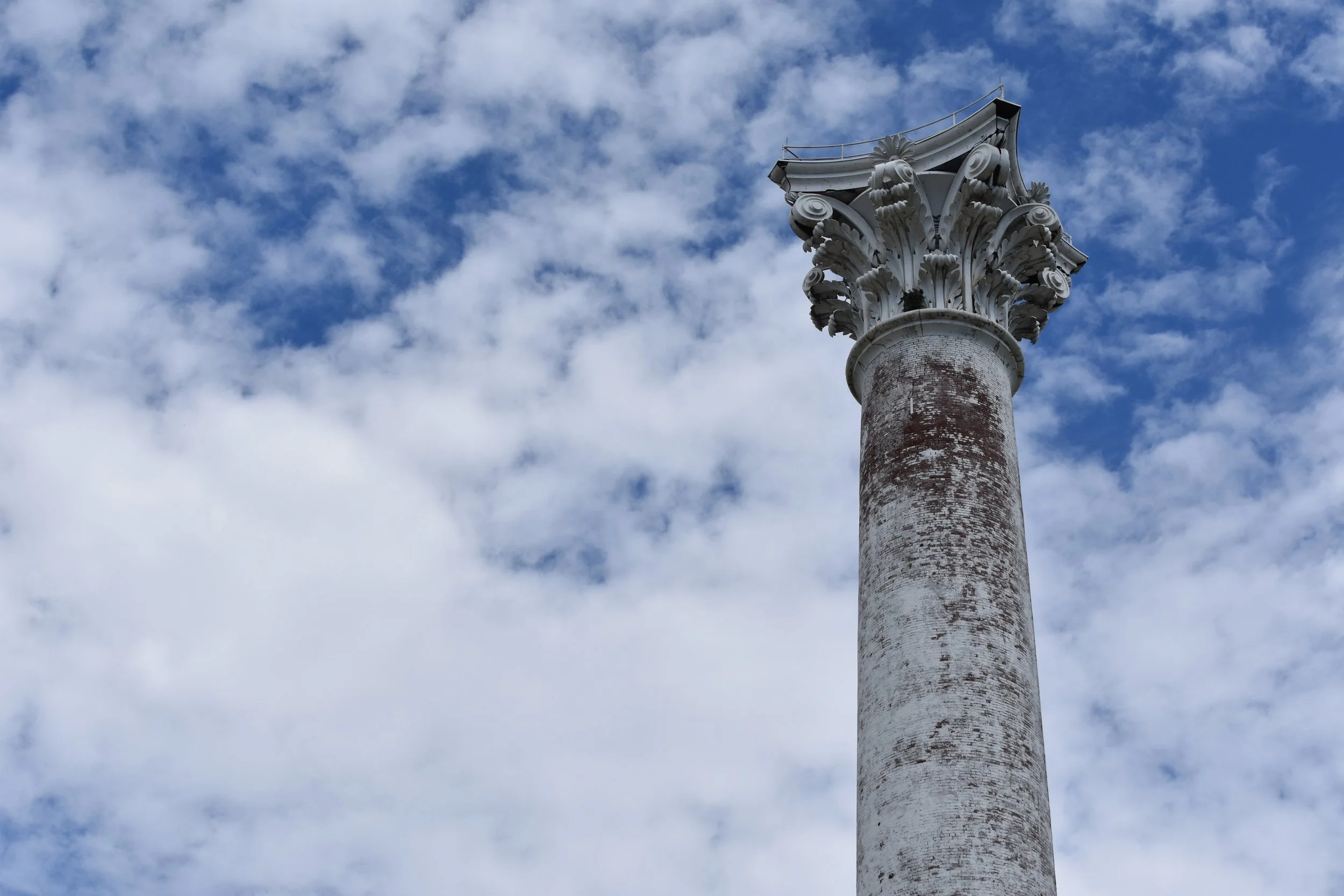
College Hill is bound by I-70 to the east, Ferry Street to the south, W. Florissant to the west and E. Warne and Adelaide to the north.

So I've been at the this neighborhood profile project for over a year. Walnut Park East was one of my first North City posts. I walked away from Walnut Park East feeling pretty hopeless for this part of the city. But, an individual working for positive change in the Walnut Park area contacted me and invited me to discuss some of these positive activities that are occurring in the area and I decided to do a part 2 post for Walnut Park East after meeting with her and understanding some details around the charity/social work in the community.
So I'm not changing my approach in Walnut Park West today; but I will try to get more pictures to document what I see. When I did the WPE post, I was hesitant to show the many, many negatives that I saw. WPW is pretty similar to WPE. Demographically and racially speaking, it's got absolutely no diversity. Take a look at the census numbers above, they don't lie; and, I don't expect to see any increase in diversity in the 2010 numbers based on my observations.
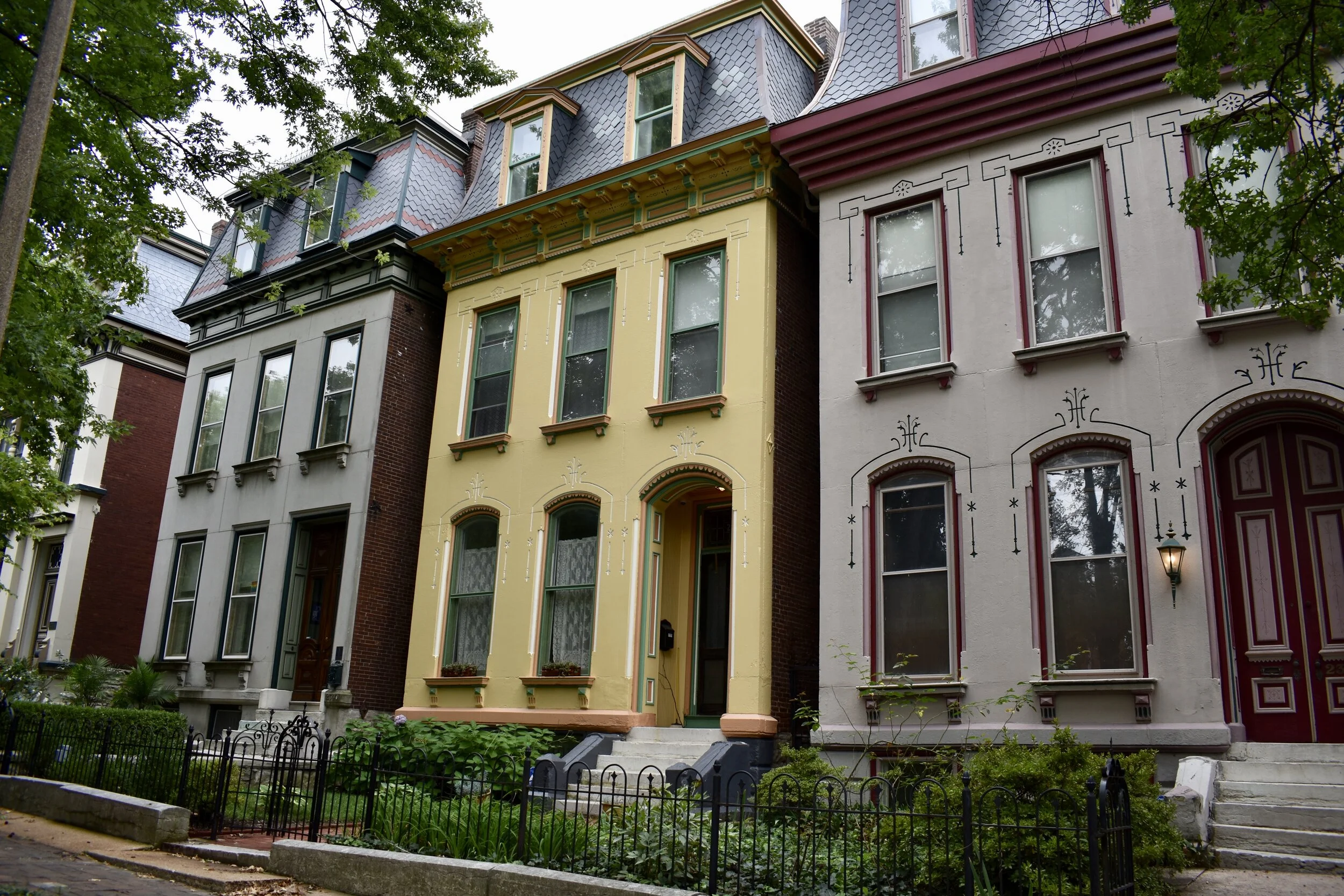
Undoubtedly, one of St. Louis' premier neighborhoods. This is a destination place as well as a nice, dense neighborhood. If you are taking someone on a tour of St. Louis, you'd be crazy to pass this neighborhood up. Lafayette Square is St. Louis' oldest national historic district. I will try to shut my mouth and just let the pictures do the talking.
The Victorian mansions surrounding the park are what make this place famous.

The Tiffany Neighborhood has lost a lot of buildings to the wrecking ball in the last twenty years. But with the new hospital built, you can now start to reimagine a more dense neighborhood with new housing fill in the massive acres of unused space and surface parking lots. Gorgeous homes, new basketball courts and a charming park, Tiffany is a fantastic place to live.

A beautiful, architecturally stunning place built largely between 1906 and 1925. Proximity to Forest Park, the East Loop and Metrolink make this a great place to live.

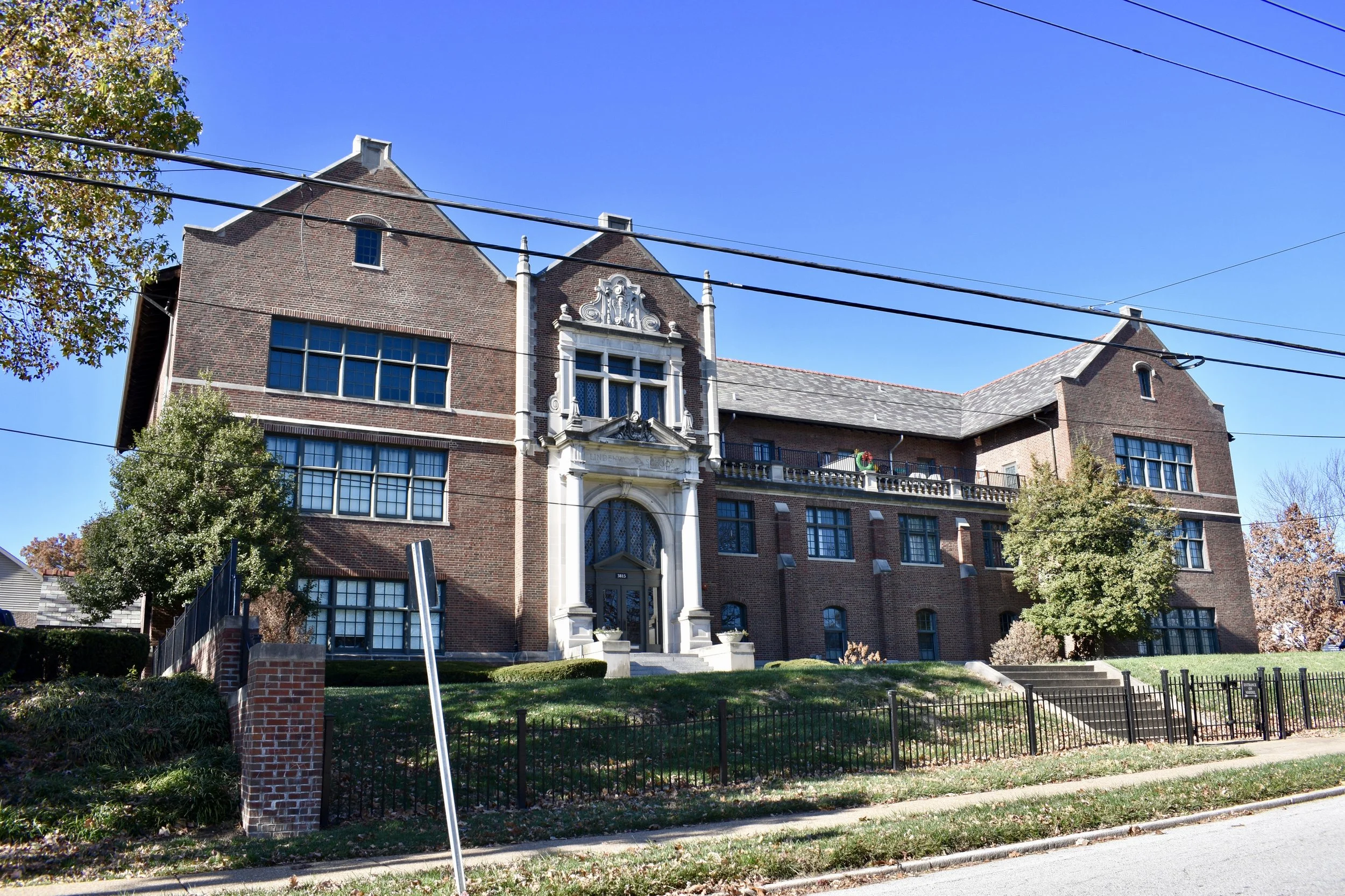
Another nearly 100% occupancy, spic-n-span neighborhood on the southwest edge of St. Louis. Gingerbreads, handsome frames, and many small post-war homes, sprinkled in with some of the coolest art deco and MCM gems the city has to offer.
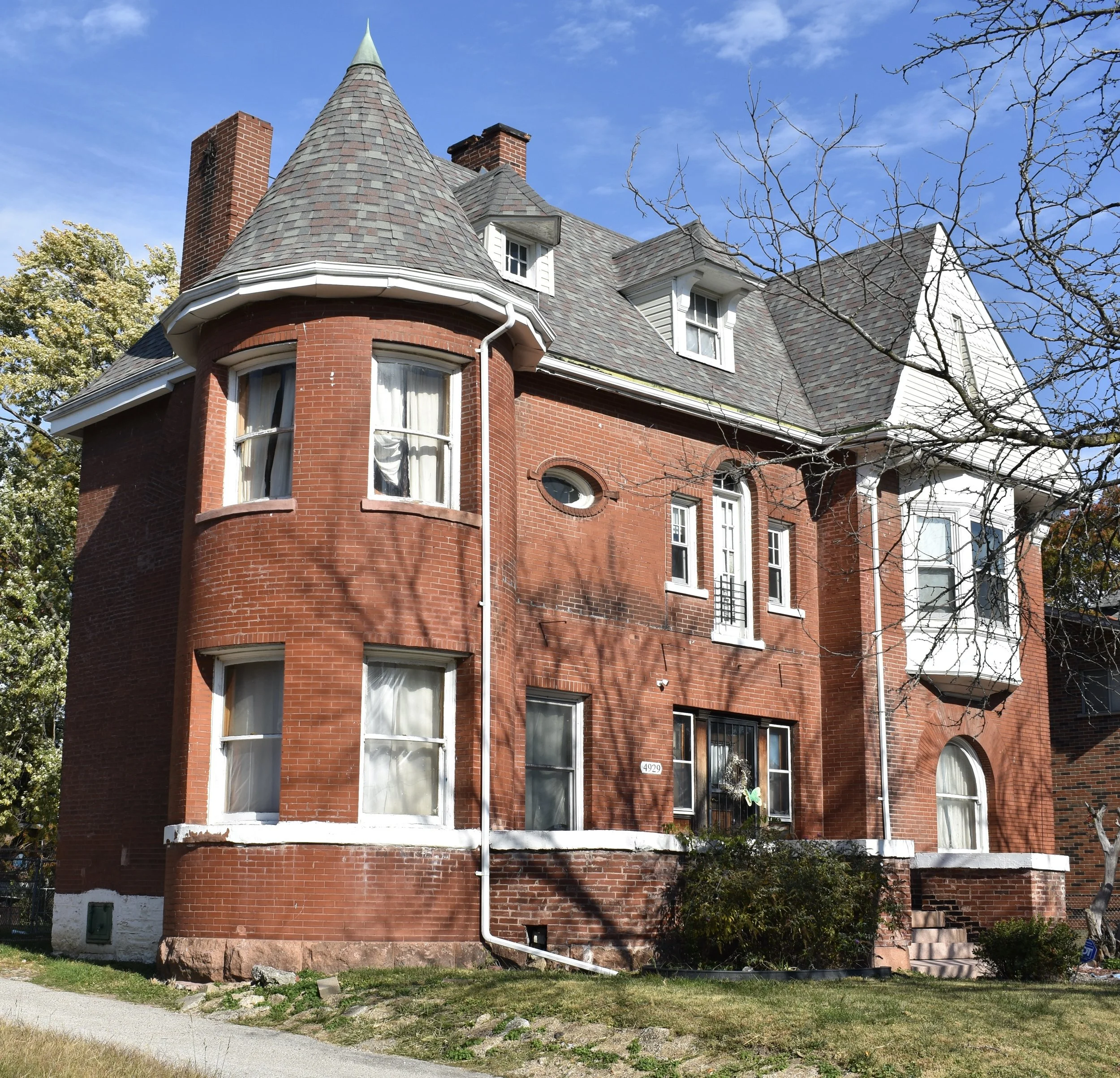
One of my favorite neighborhoods based on vibe, potential and immediate need to build a plan to help the current residents stay, improve and build infill for more residents. Anchored by W.C. Handy Park, this place is a gem we need to invest in lest it lose it’s soul and vibe.

St. Louis Place is both beautiful and the product of years of failed housing policies, urban clearance and red lining. There is eternal hope for this neighborhood with lots of potential. Arguably one of the most beautifully laid out and originally built neighborhoods in all of St. Louis.

One of three neighborhoods making up Dogtown, Hi-Pointe has some landmarks and popular spots to visit, but is largely a residential neighborhood.
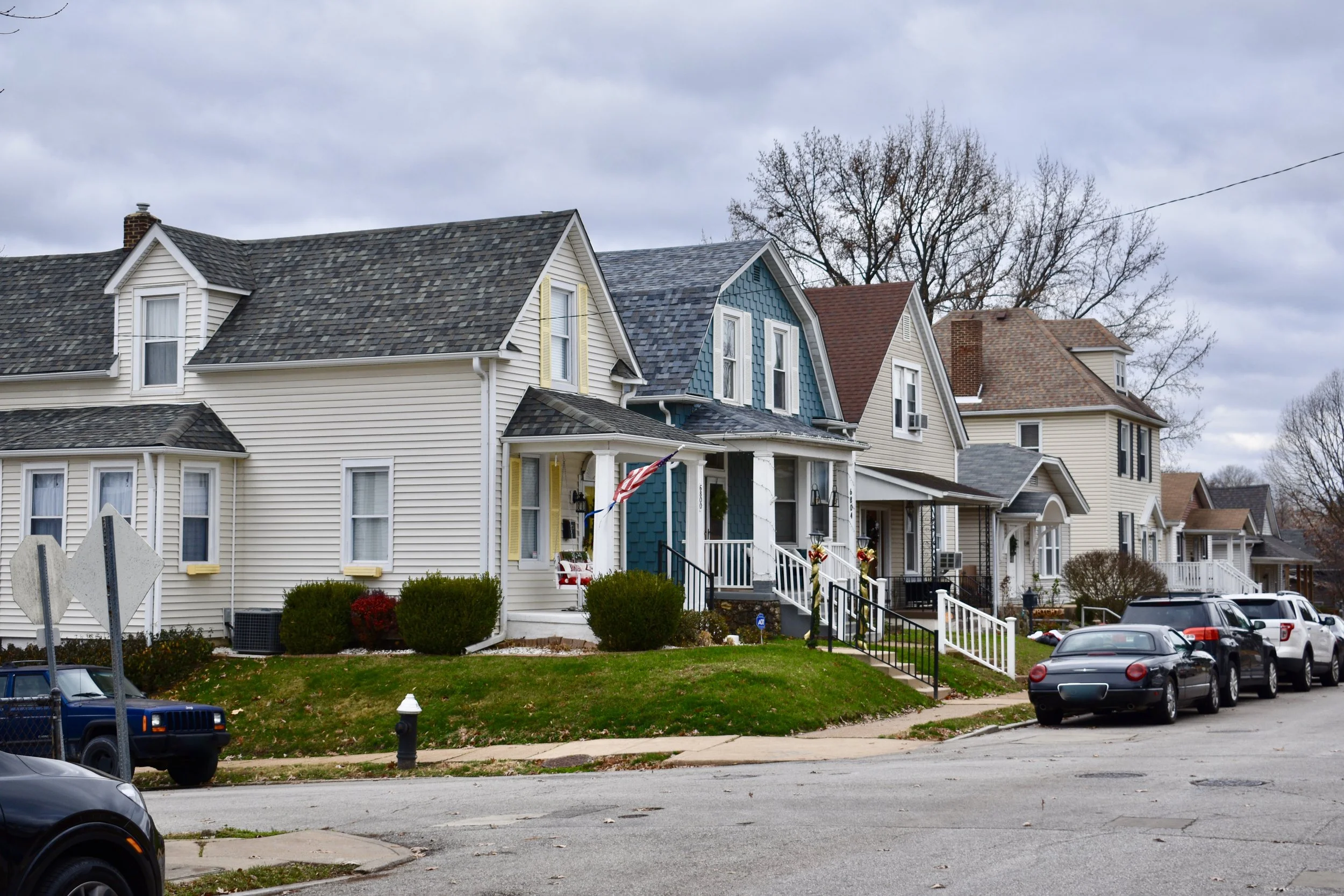
Franz Park is one of the neighborhoods that makes up Dogtown. It lies on the western edge of St. Louis, bordering the suburbs. A mix of brick and sided homes, new and old. This neighborhood is anchored by a nice city park and several schools.
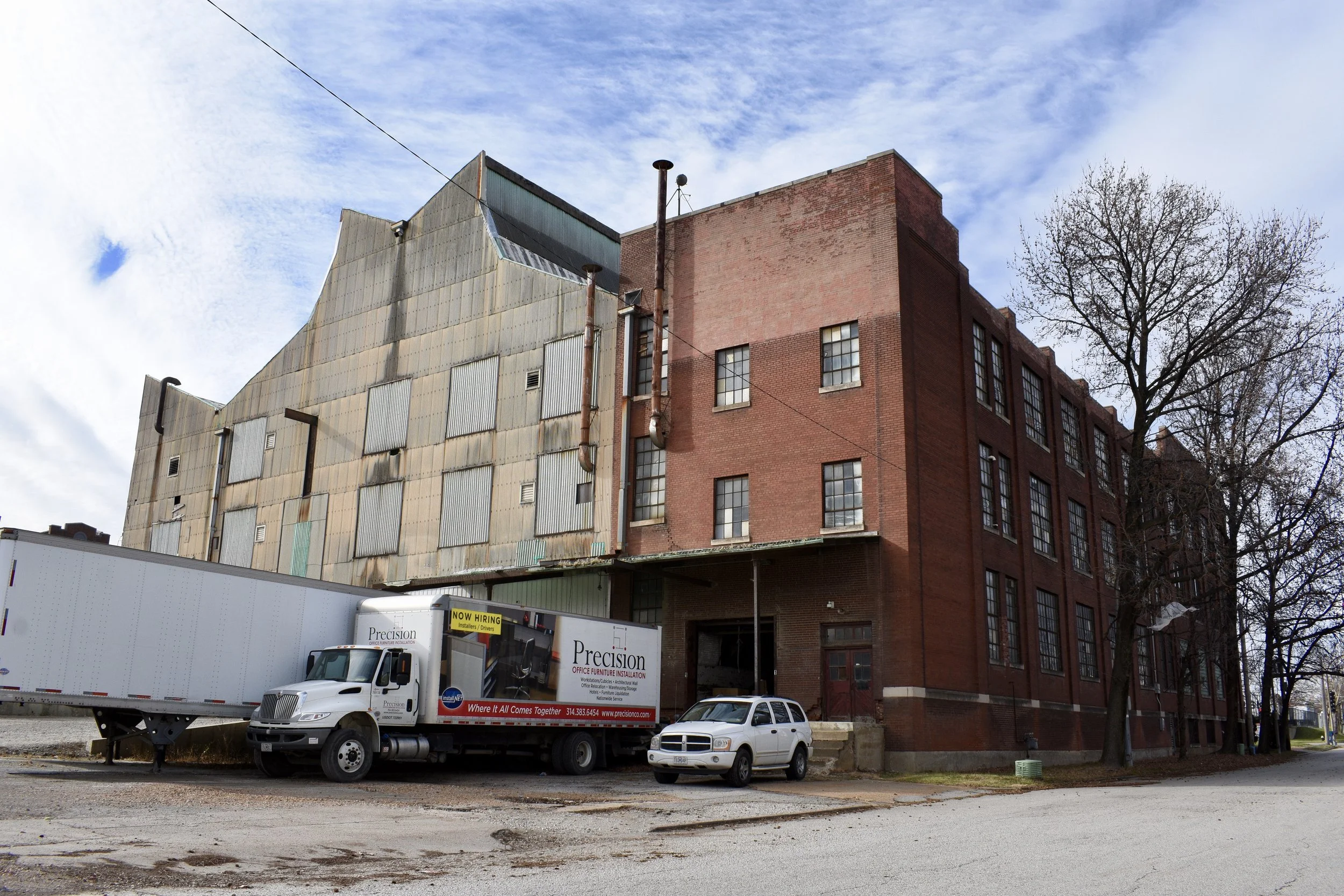
As the name suggests, this one is almost entirely industrial. There are some homes on the southwest corner of the neighborhood.
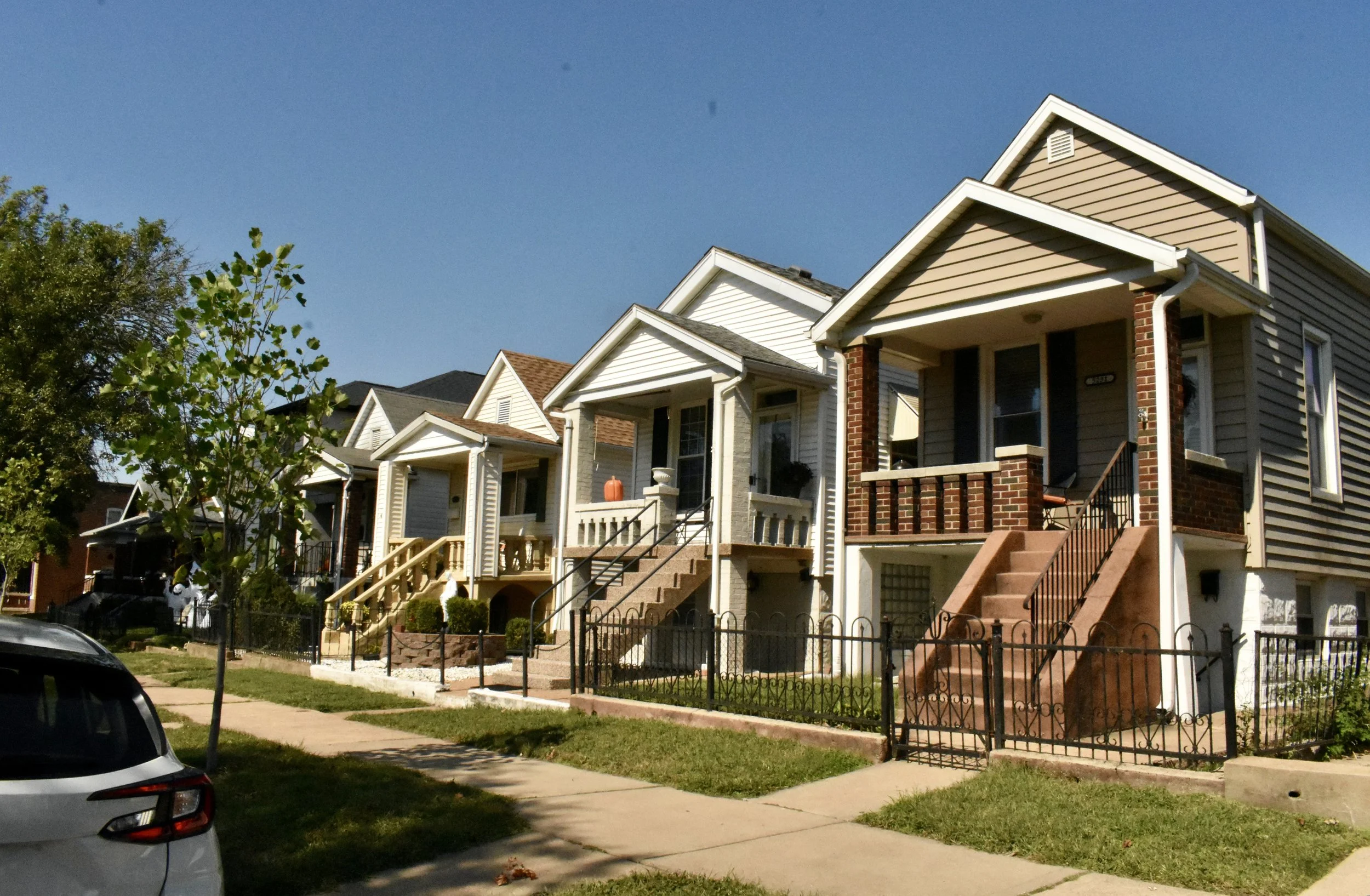
One the most a-typical, but charming St. Louis neighborhoods. This is arguably one of the most bustling and active neighborhoods in the entire city. A local and regional draw, the Hill continues to bring the local charm.
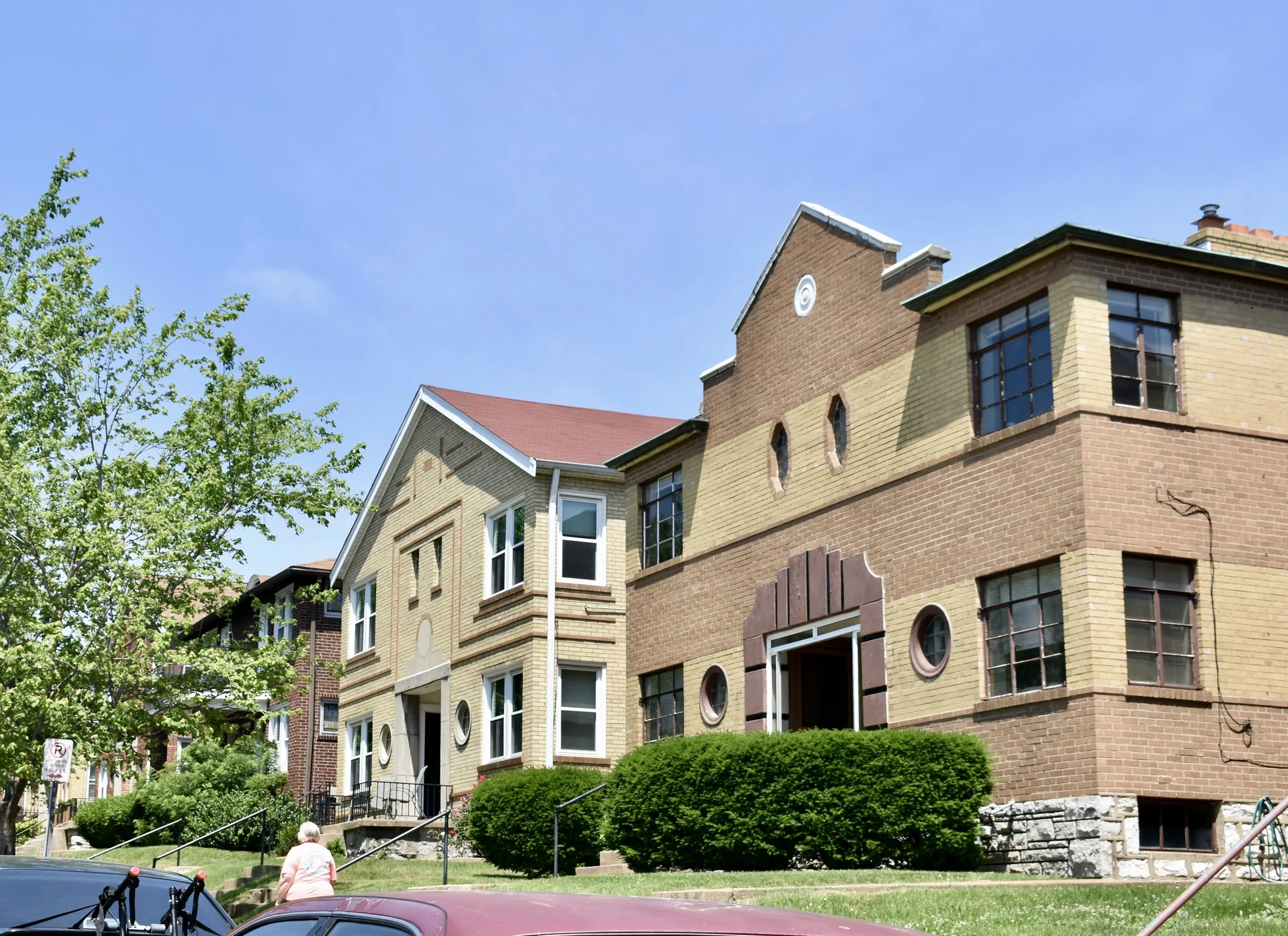
North Hampton is a densely populated residential neighborhood with lots of businesses. It is home to 7,489 St. Louisans. Check it out, with updated content in 2022.
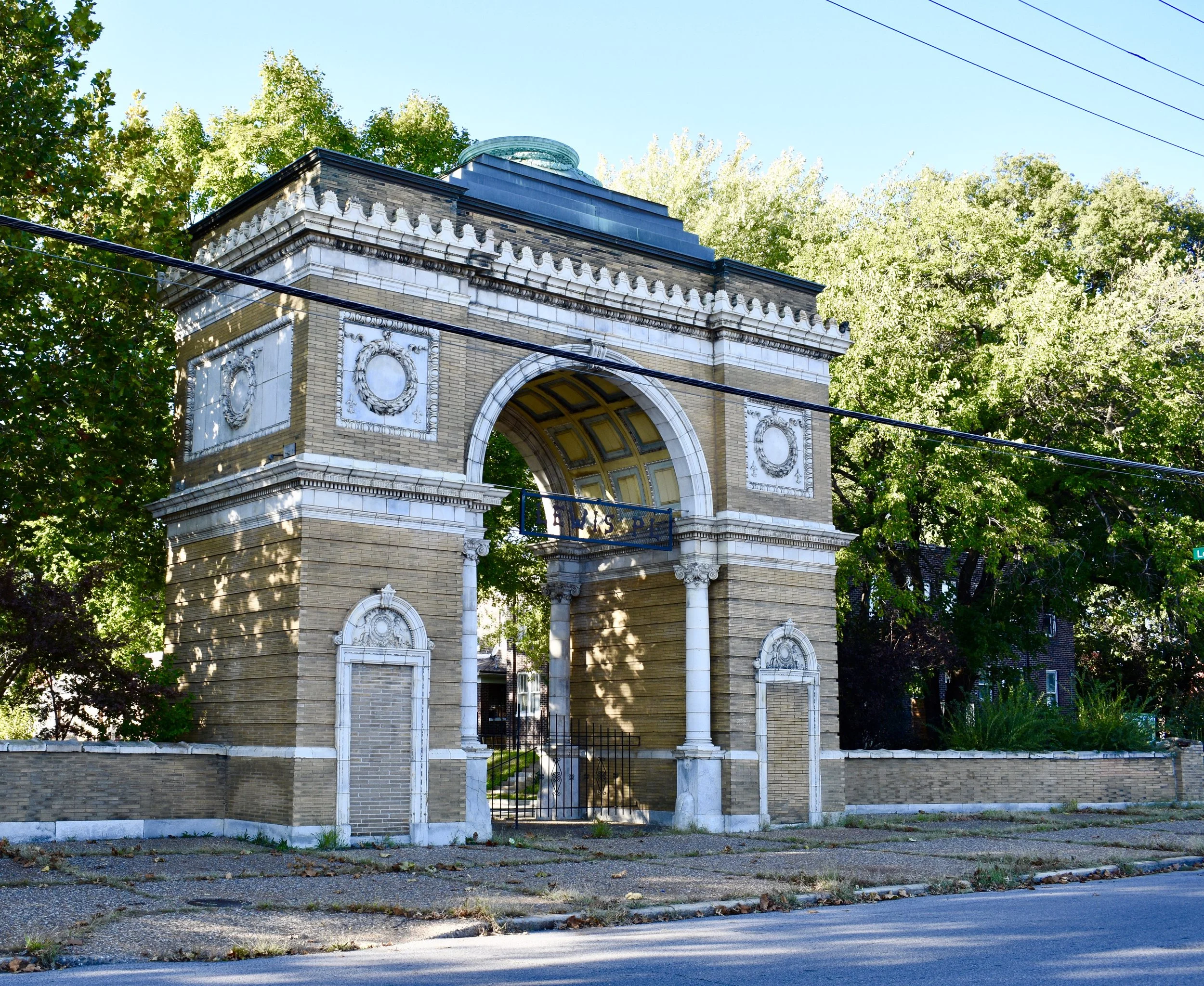
Another beautiful place, just north of Del Mar, the well known redlining boundary between North and South St. Louis.
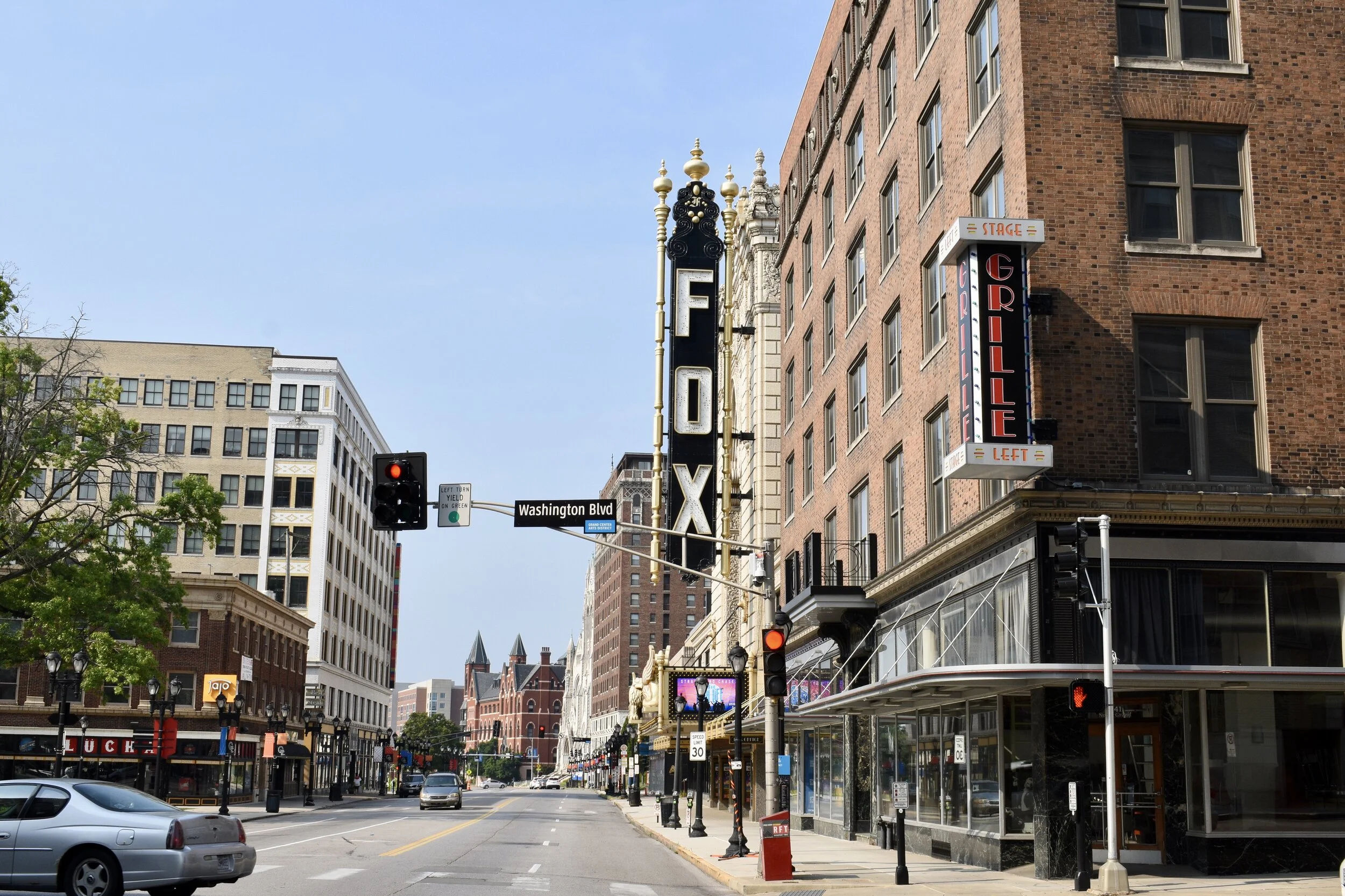
One of the most rapidly changing neighborhoods in the city, home to many cultural and educational institutions, prominent churches and new infill. Covenant Blu Grand Center is an exciting place to visit and revisit.
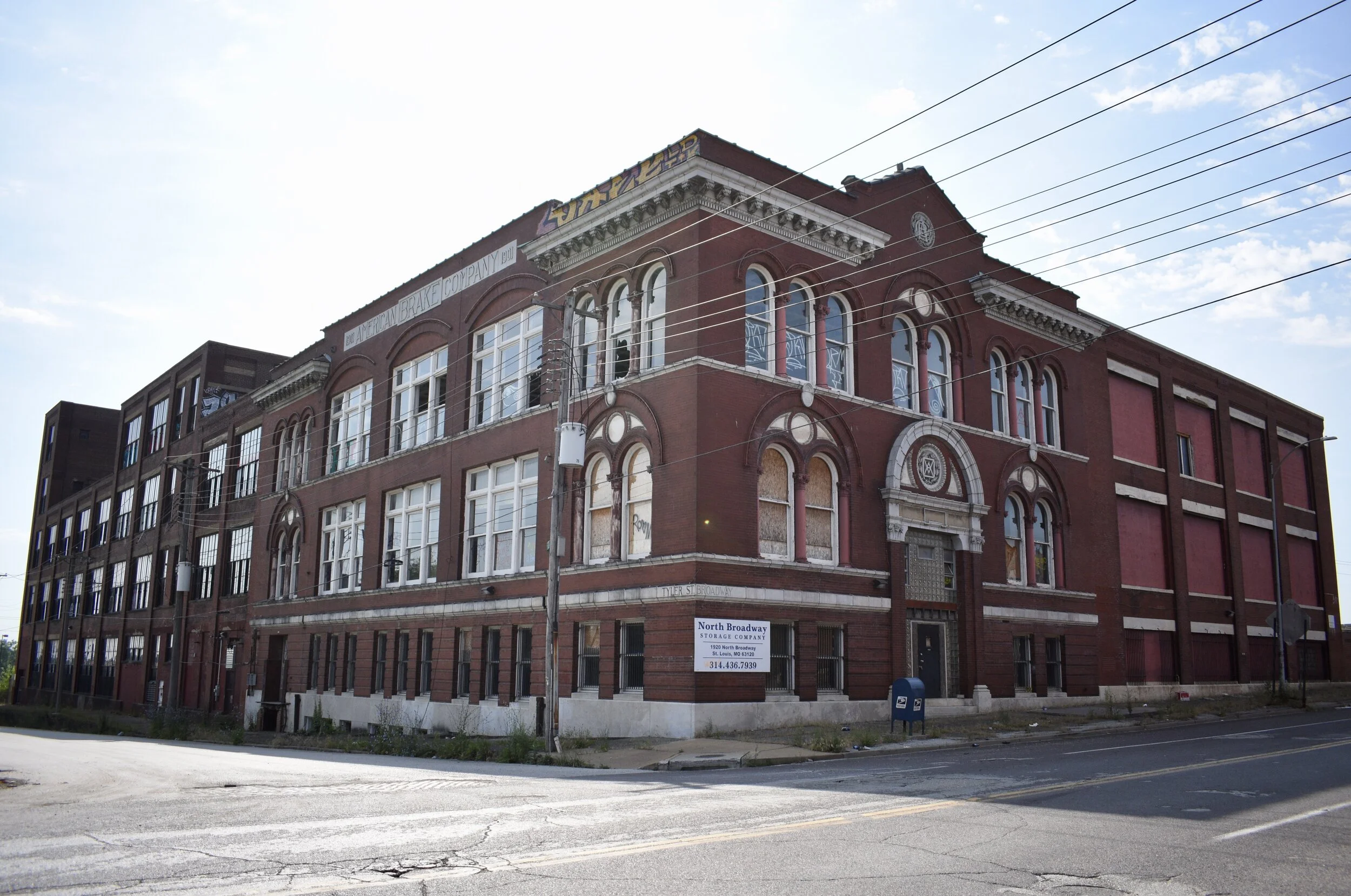
Just north of Downtown, this industrial era has many active and former factories and warehouses. While not likely considered a residential neighborhood by most, there are homes here and reminders of when the city was densely populated.
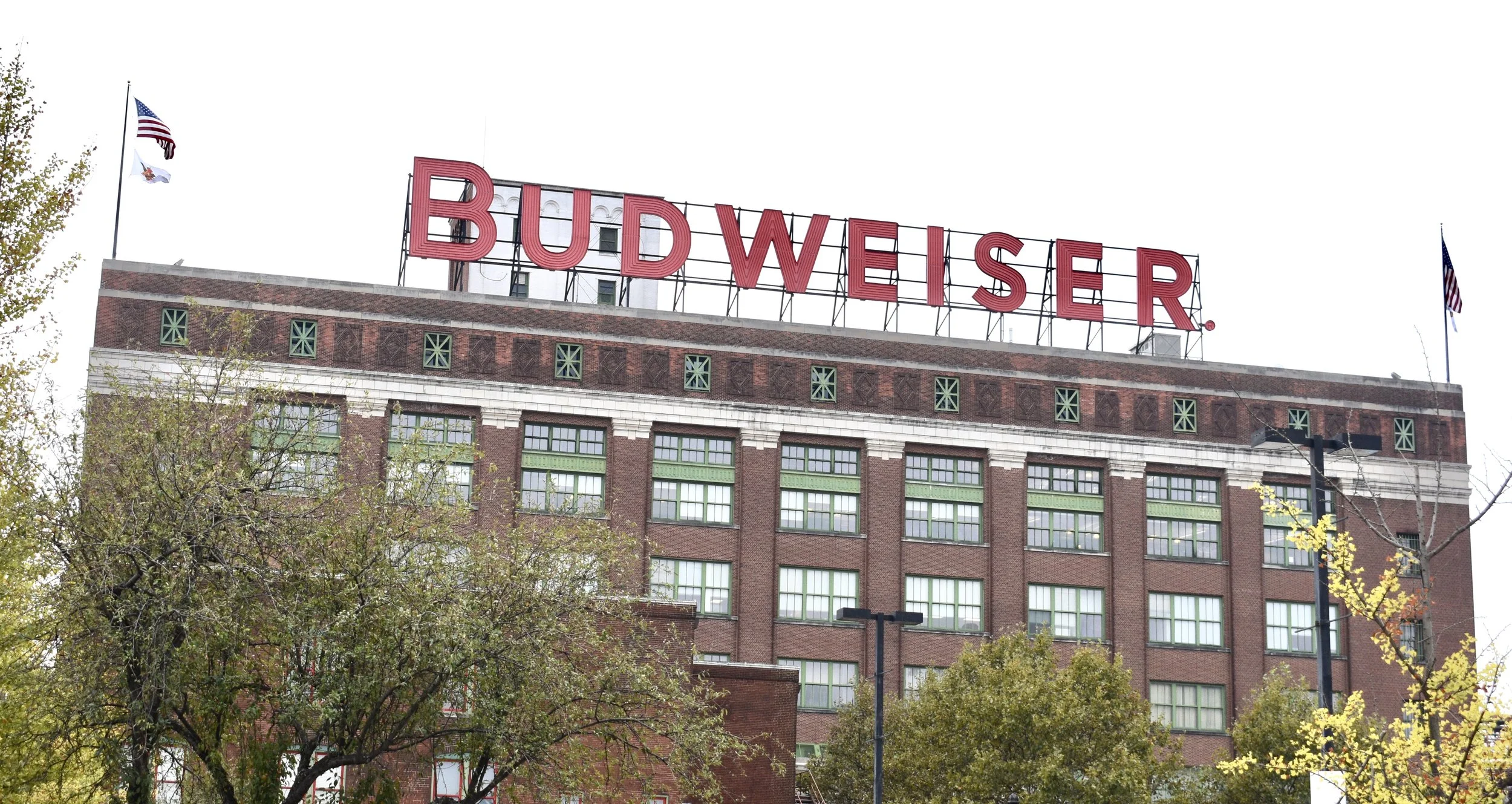
Soulard is one of the best known neighborhoods of St. Louis, and is one of the few to see gains in population over a sustained period. It is a beautiful, active, successful neighborhood.

The smallest neighborhood by area, this beautiful place forms the western border of St. Louis overlooking Forest Park. A fantastic mix of 1920s homes and mid-20th Century high rises, as well as many churches and cultural institutions, Wydown Skinker is a must see.
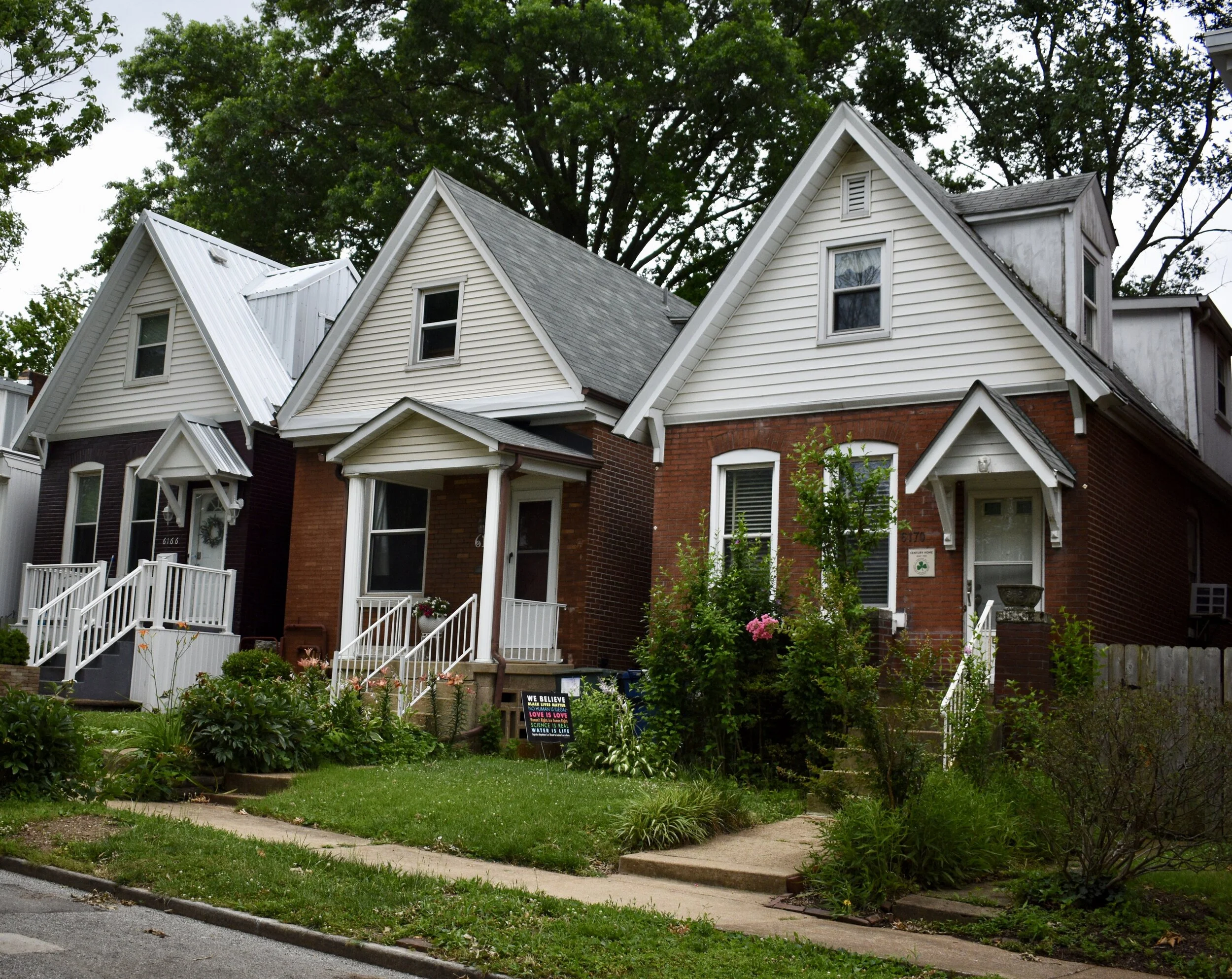
And you thought this was Dogtown, didn't you? So did I. Well, actually it is as the name "Dogtown" refers to the informal combination of three adjoining neighborhoods: Clayton/Tamm, Franz Park, and Hi-Pointe. Great location, walkable and strong retail/restaurant presence makes this neighborhood a favorite.

A 2010 post on the Academy Neighborhood, followed by a 2021 revisit. Such a gorgeous place.
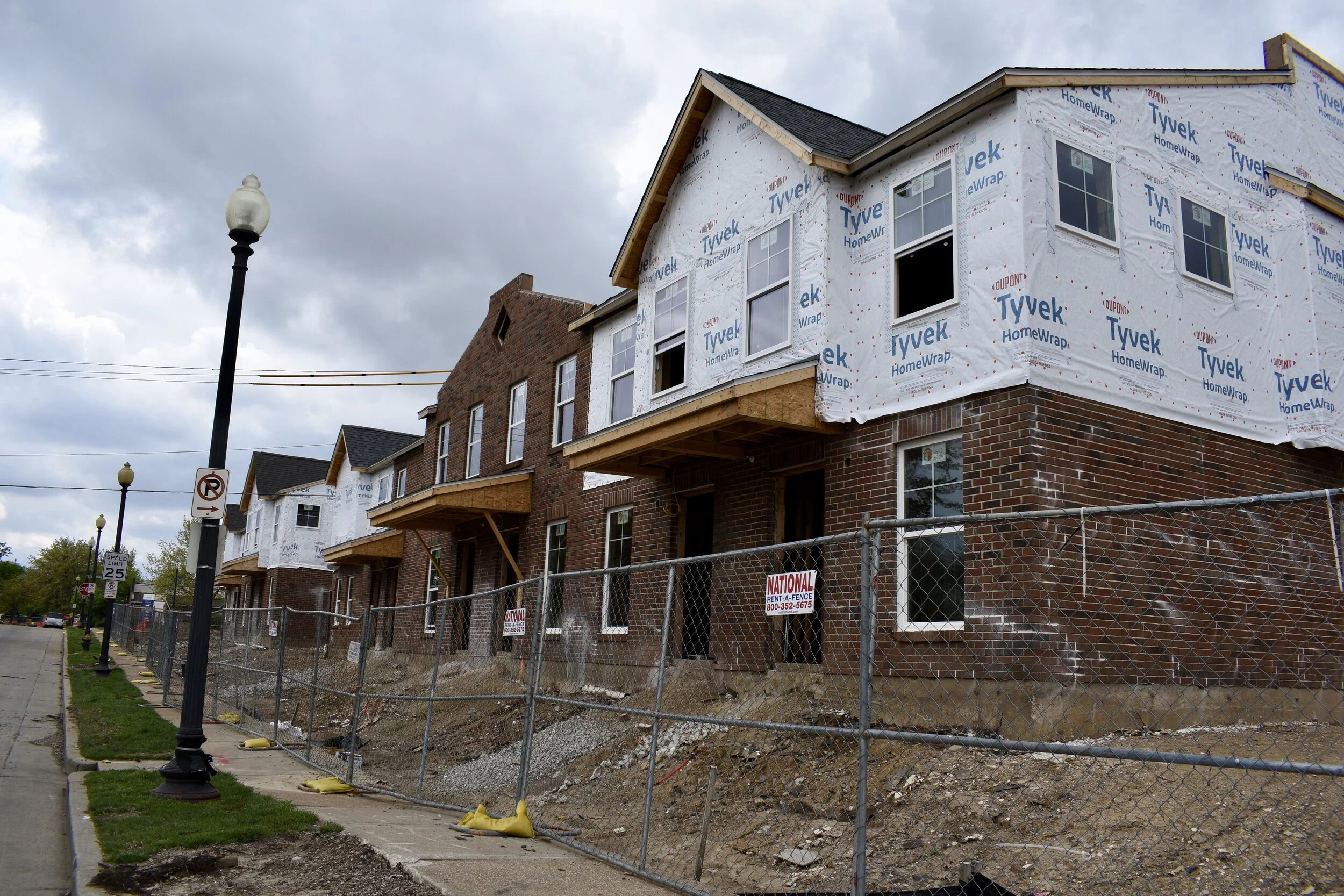
This is one of those parts of town that has seen such massive disinvestment and lack of care and respect from it's inhabitants and leaders, that it is basically a wasteland. There are huge swaths of unused land, mainly the north west corner where Pruit-Igoe used to be, that are just jungles of weeds.
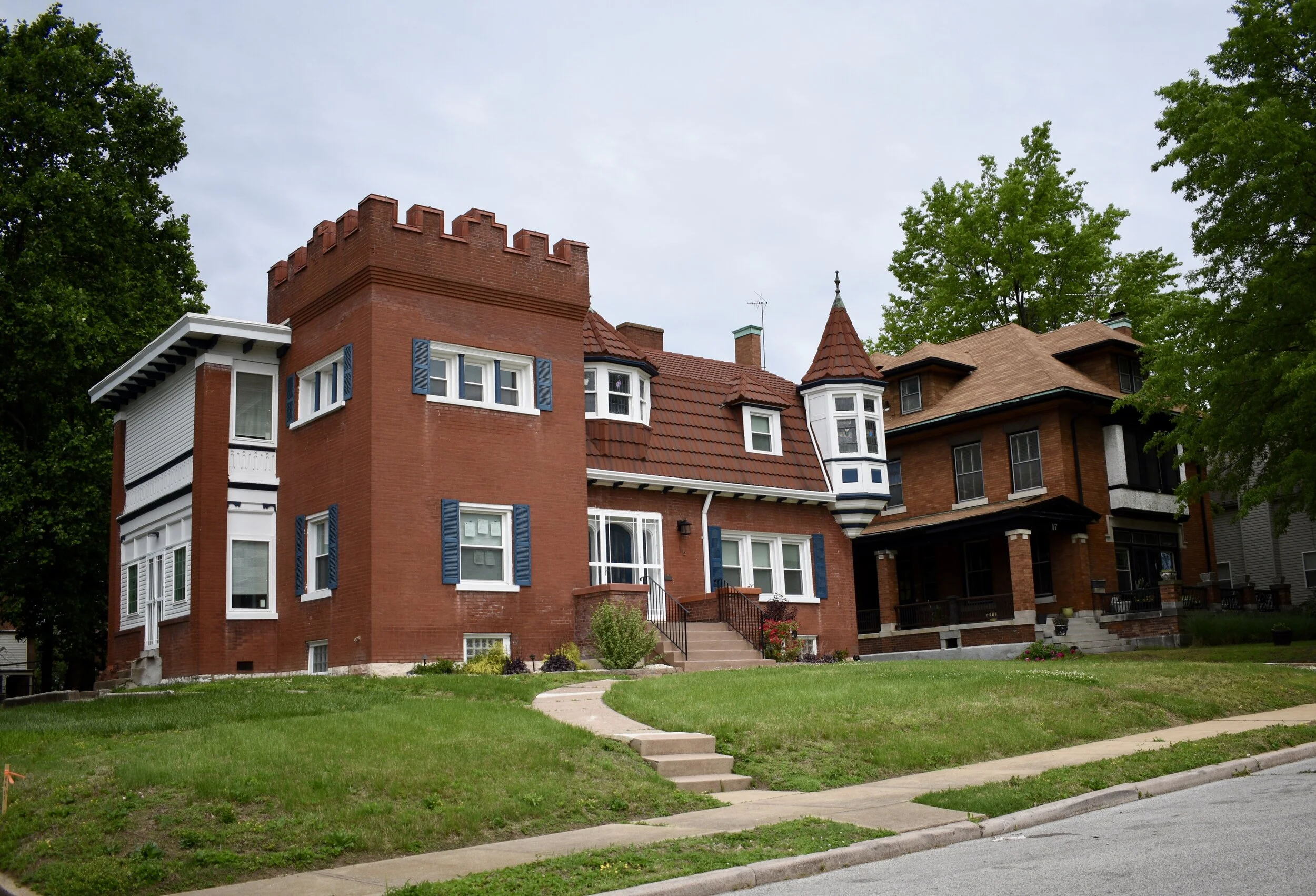
Some of the most beautiful architecture in all of St. Louis exits in the West End neighborhood. The last ten years have signaled much change and investment on the fringes of this important place. Hopefully the next ten years will drive positivity and momentum north toward Page Avenue, the northern border of the West End.
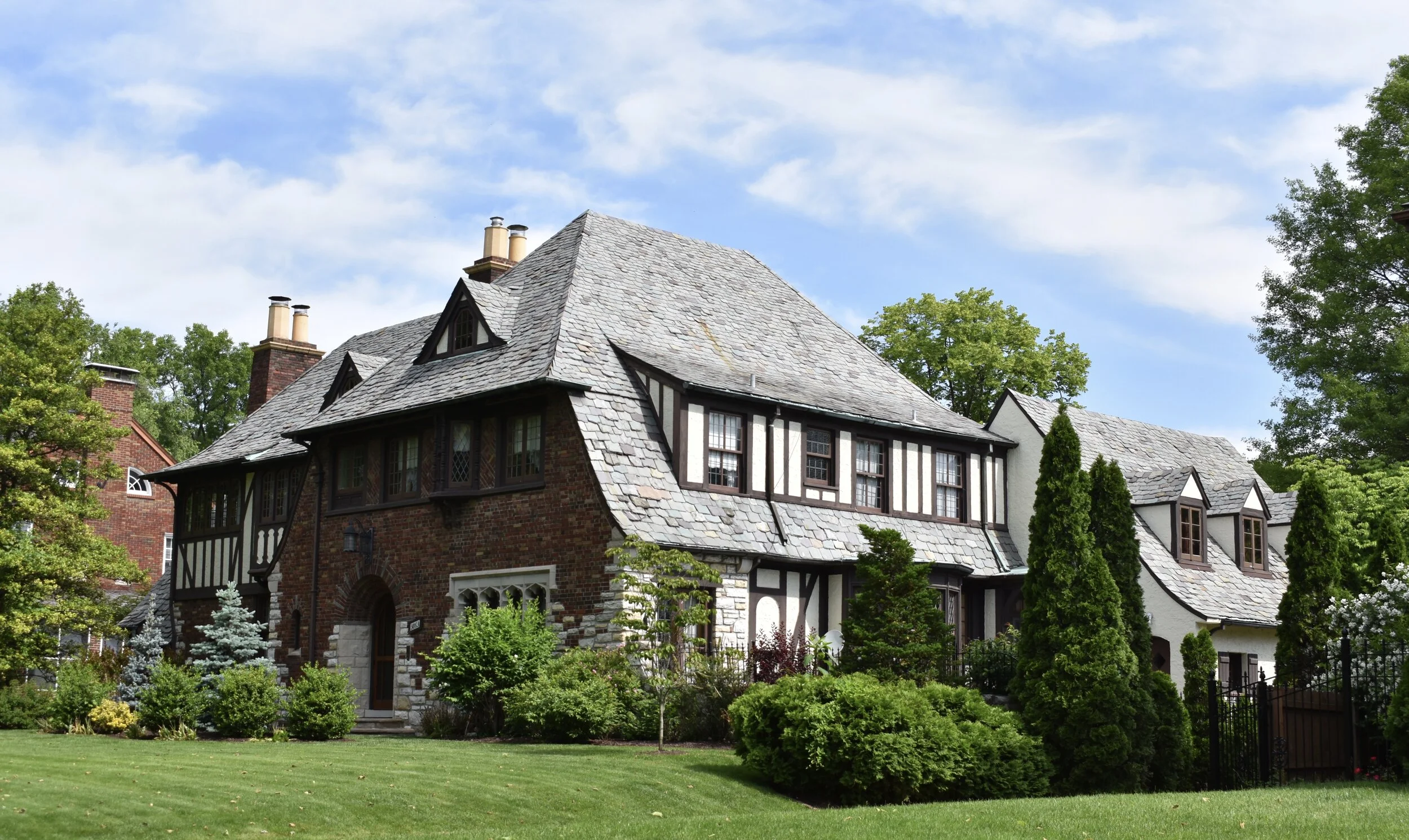
Holly Hills is a beautiful mix of mansions and homes built in the 1920’s that form a gorgeous setting just north of Carondelet Park. Holly Hills at the terminus of South Grand and is a gem of City living. Clean and manicured, this neighborhood is a showplace. This post includes an original tour from 2010 and some updates in 2020.
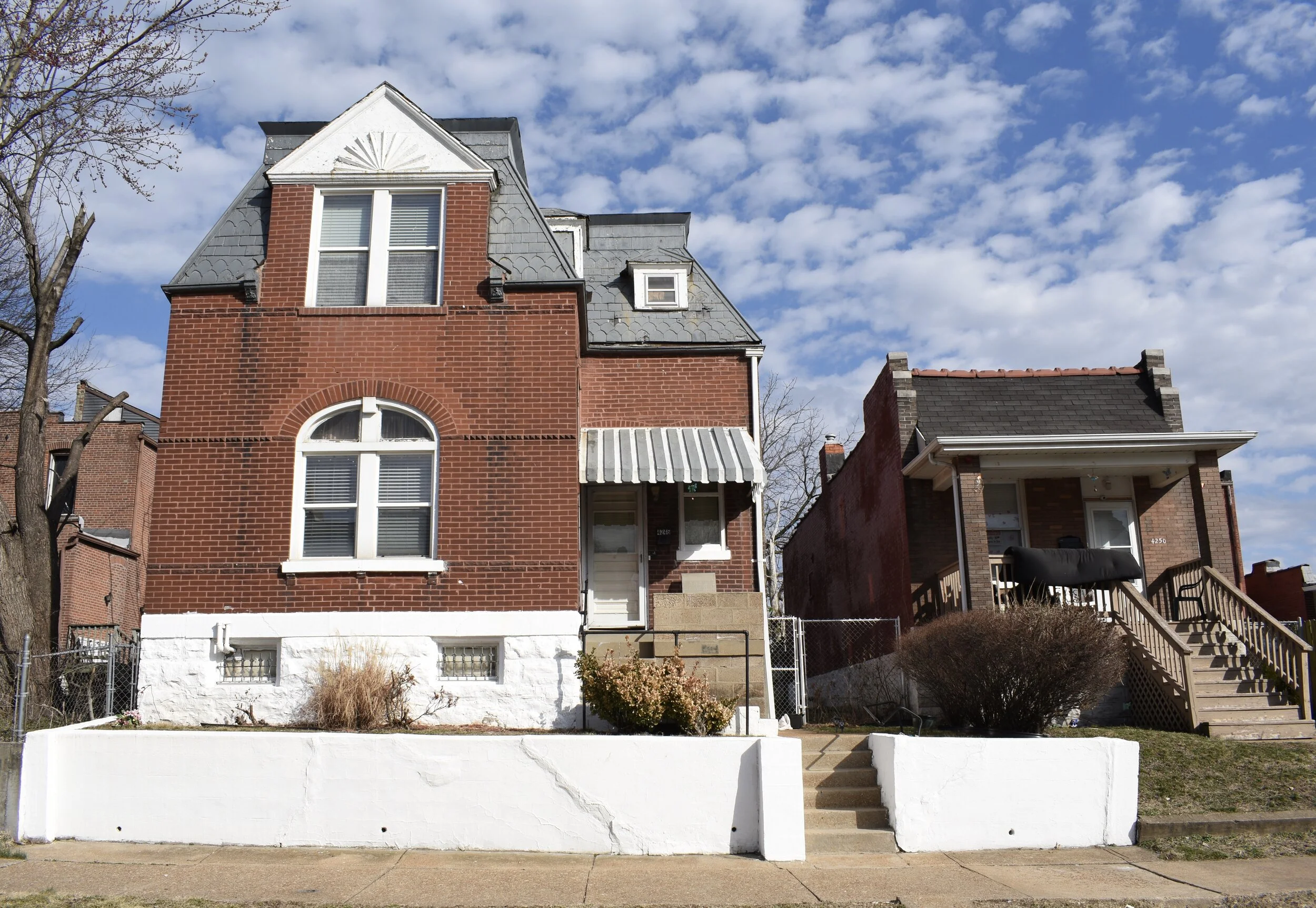
Mount Pleasant is a beautiful mix of largely residential homes, but some intra-neighborhood businesses exist. Bordering the Mississippi River to the east, this neighborhood feels a lot like Dutchtown or even parts of Carondelet, but is marked by the tremendous potential of Meramec Street. This post includes photos from 2010, with updates from 2021.
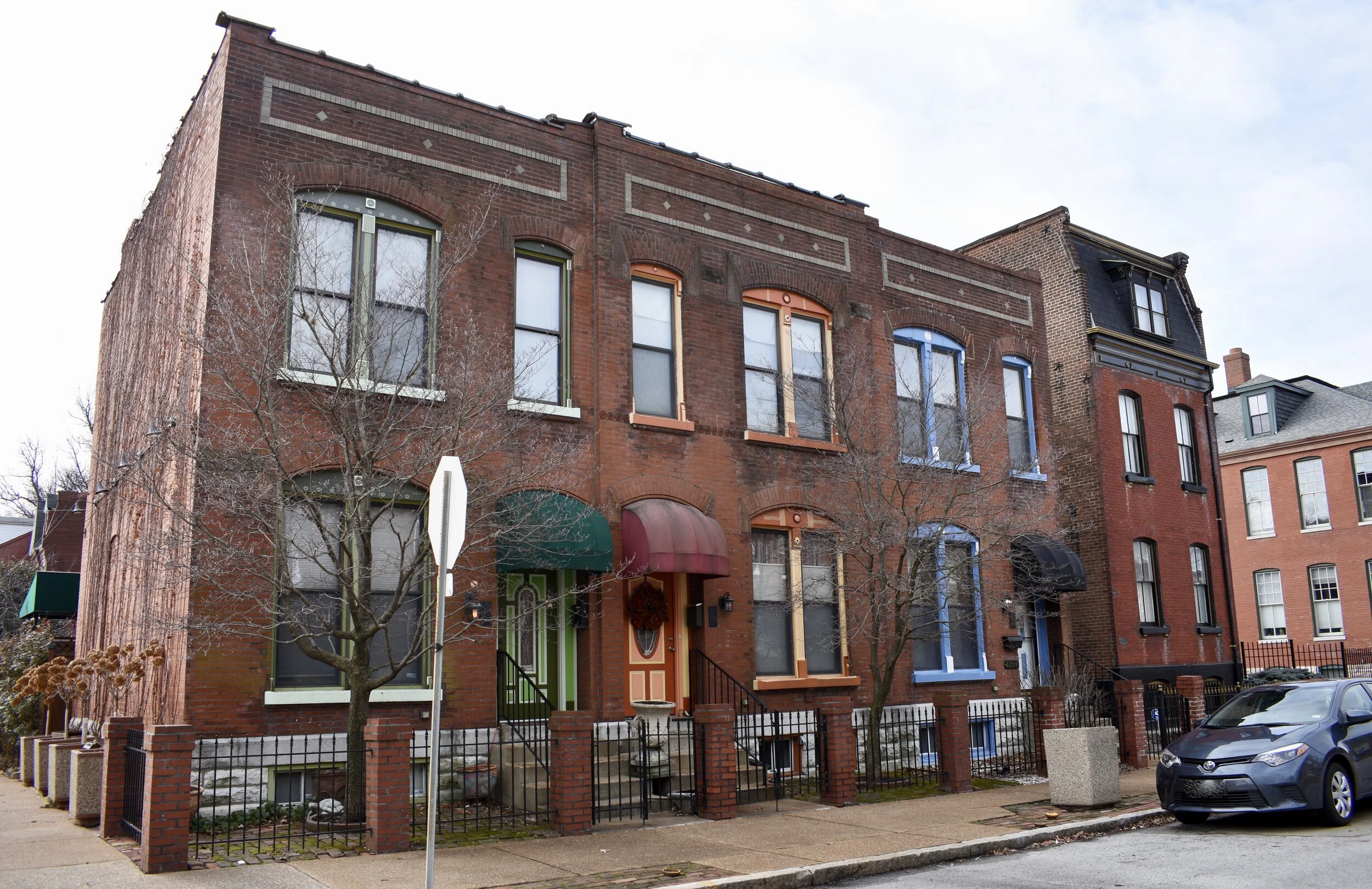
Benton Park is a classic St. Louis neighborhood in so many ways. Lots of history, great restaurants, bars, parks and so much red brick beauty.
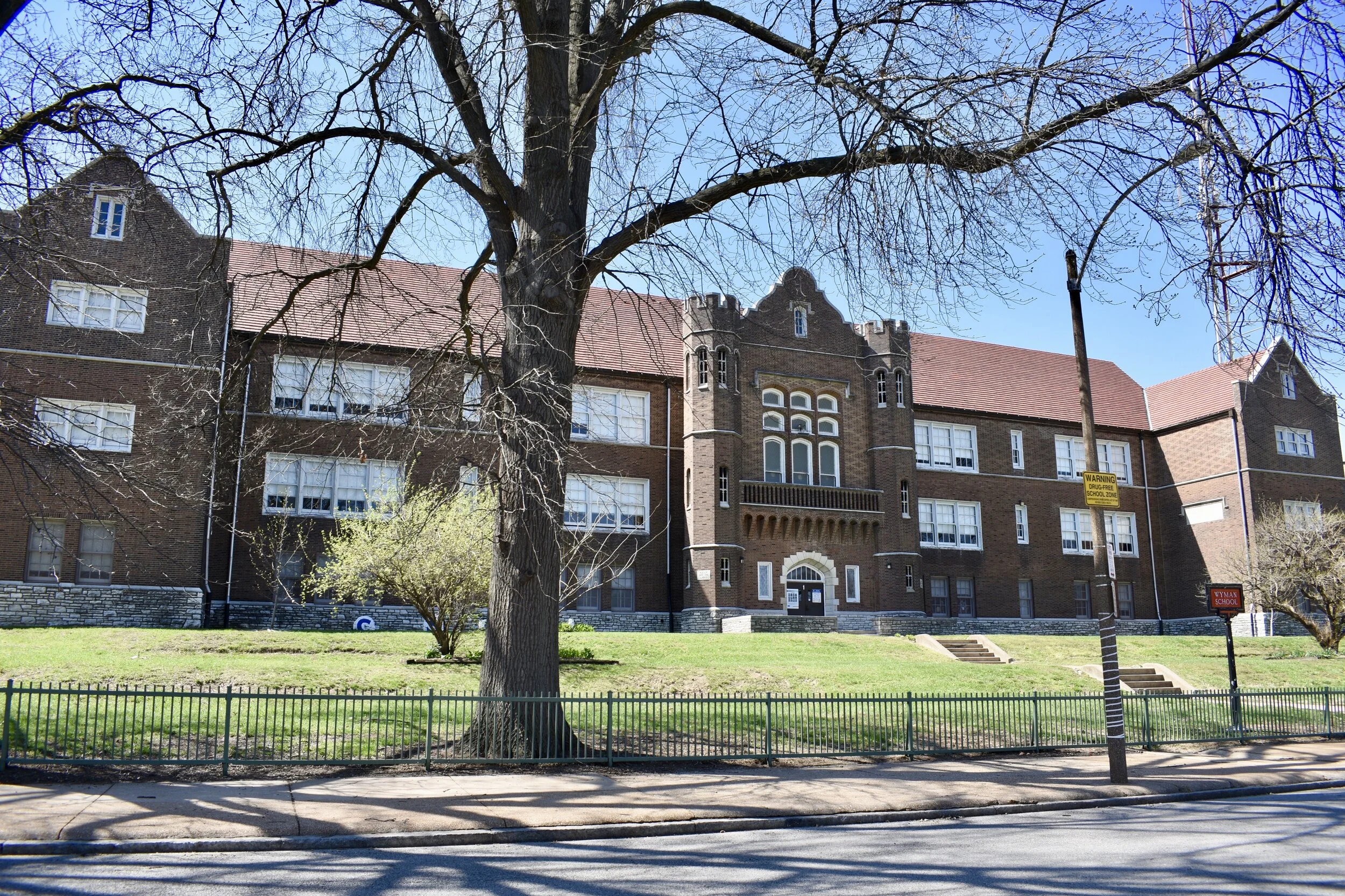
The Gate District Neighborhood is. a largely residential mix of various styles and forms. Lots of new development has occurred in the last ten years. The neighborhood is home to St. Louis University’s medical campus as well. This is a neighborhood on the rise.

This is St. Louis’ lowest population neighborhood with only 14 residents counted in the 2010 Census. A victim of urban clearance, trucking operations and suburban land uses, Kosciusko still has an amazing history. Some still remains, but very little.
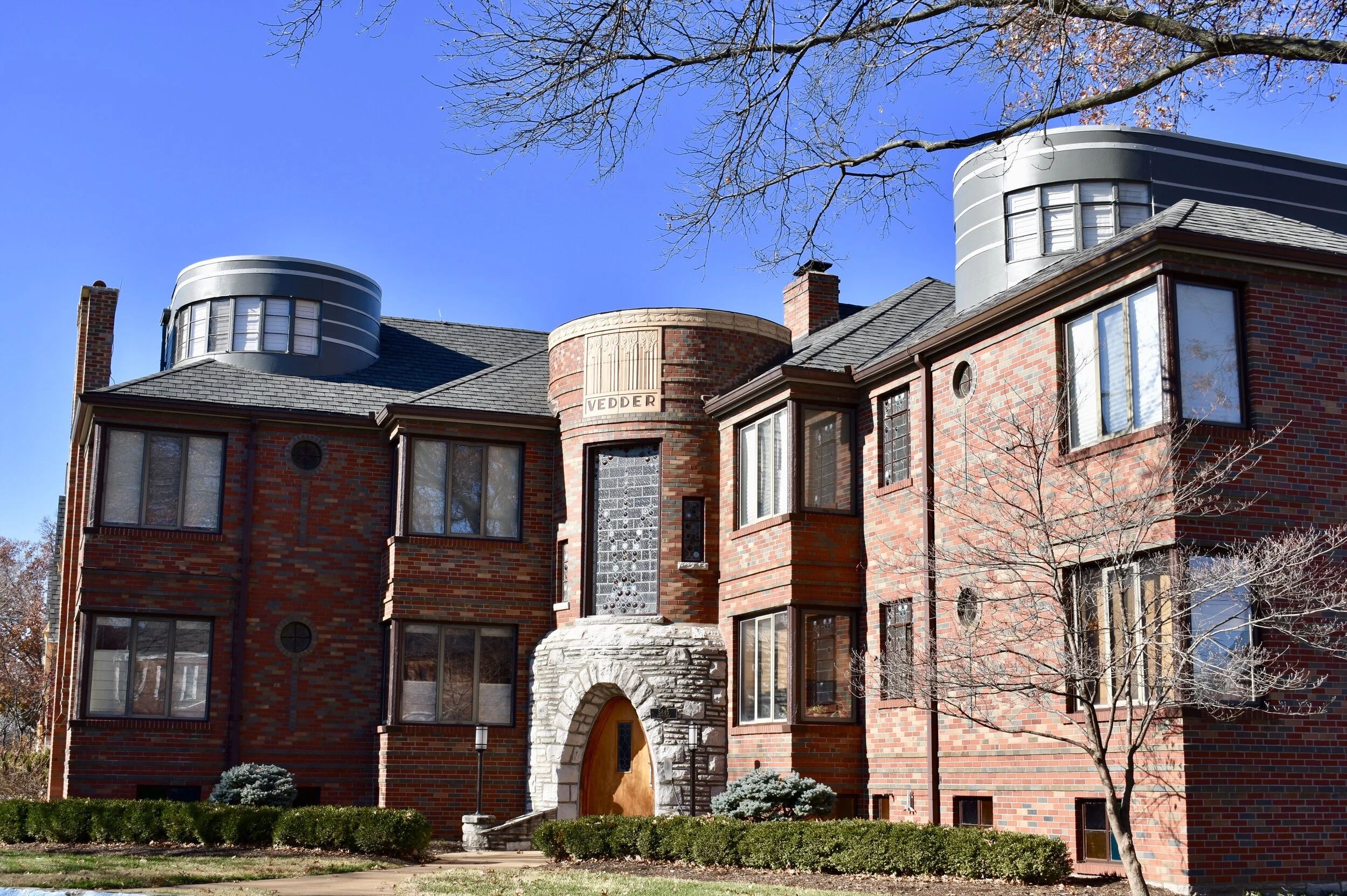
MCM ranch homes, tidy arts and crafts, art deco, two great parks, lots of surrounding business, this quiet neighborhood has some of the best tree-lined streets, clean yards/alleys and pedestrian friendly vibes any where in the city.
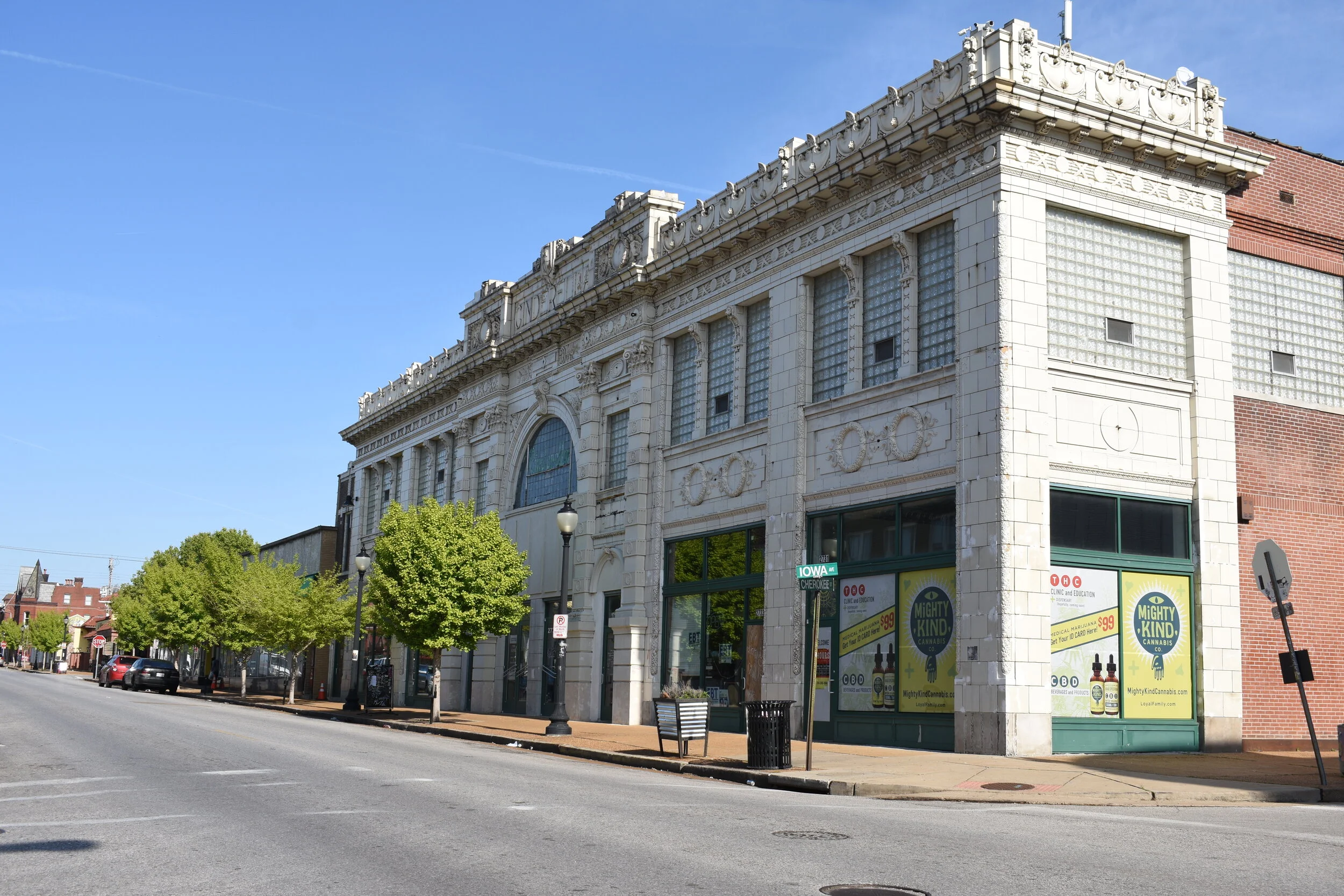
One of the Cherokee Street neighborhoods, this place has an incredible mix of housing stock and potential to be a top St. Louis neighborhood. The future looks bright in BPW.
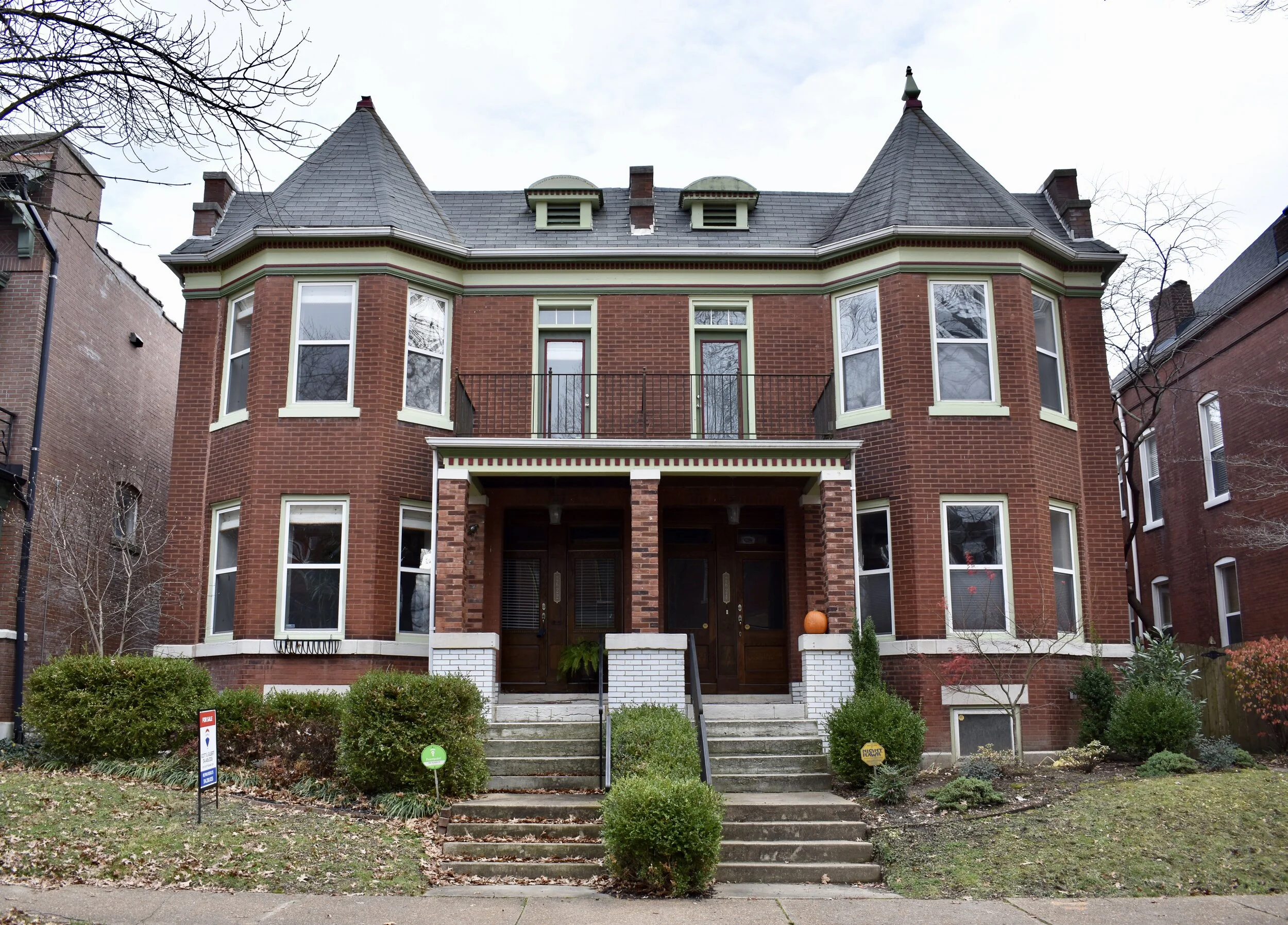
The most diverse Census tract in St. Louis, Tower Grove East is a mix of single, multi-family and apartment buildings with plenty of opportunity for intra-neighborhood business. Varied architecture and excellent location make this stable and charming neighborhood highly desirable.
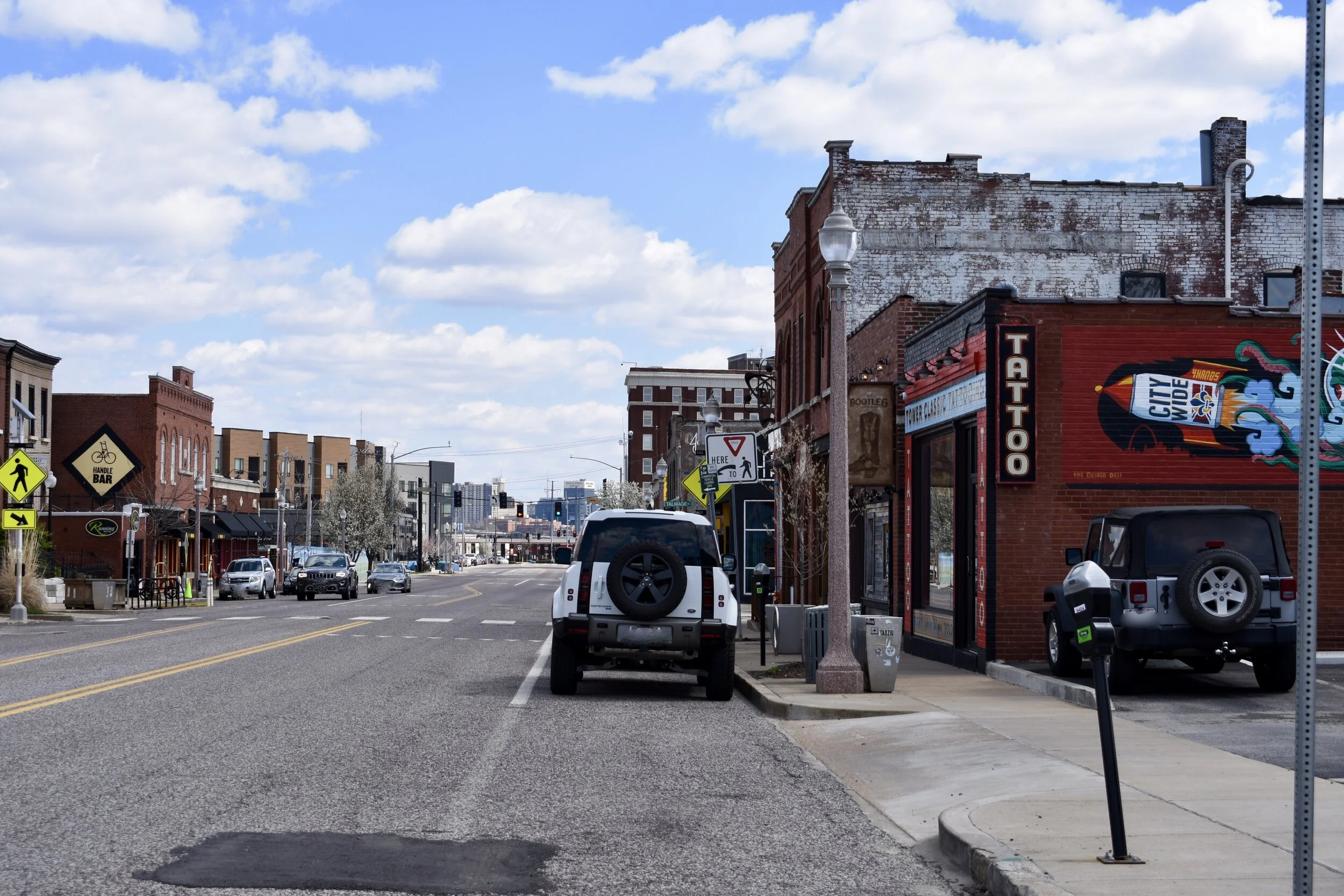
Arguably the most changed neighborhood in the last 10-20 years. Forest Park Southeast, branded “The Grove”, is a mix of big and small homes, apartments and townhouses. Manchester Avenue is a popular commercial/entertainment strip. Infill continues to fill in holes and bring modern and rehabbed living options.
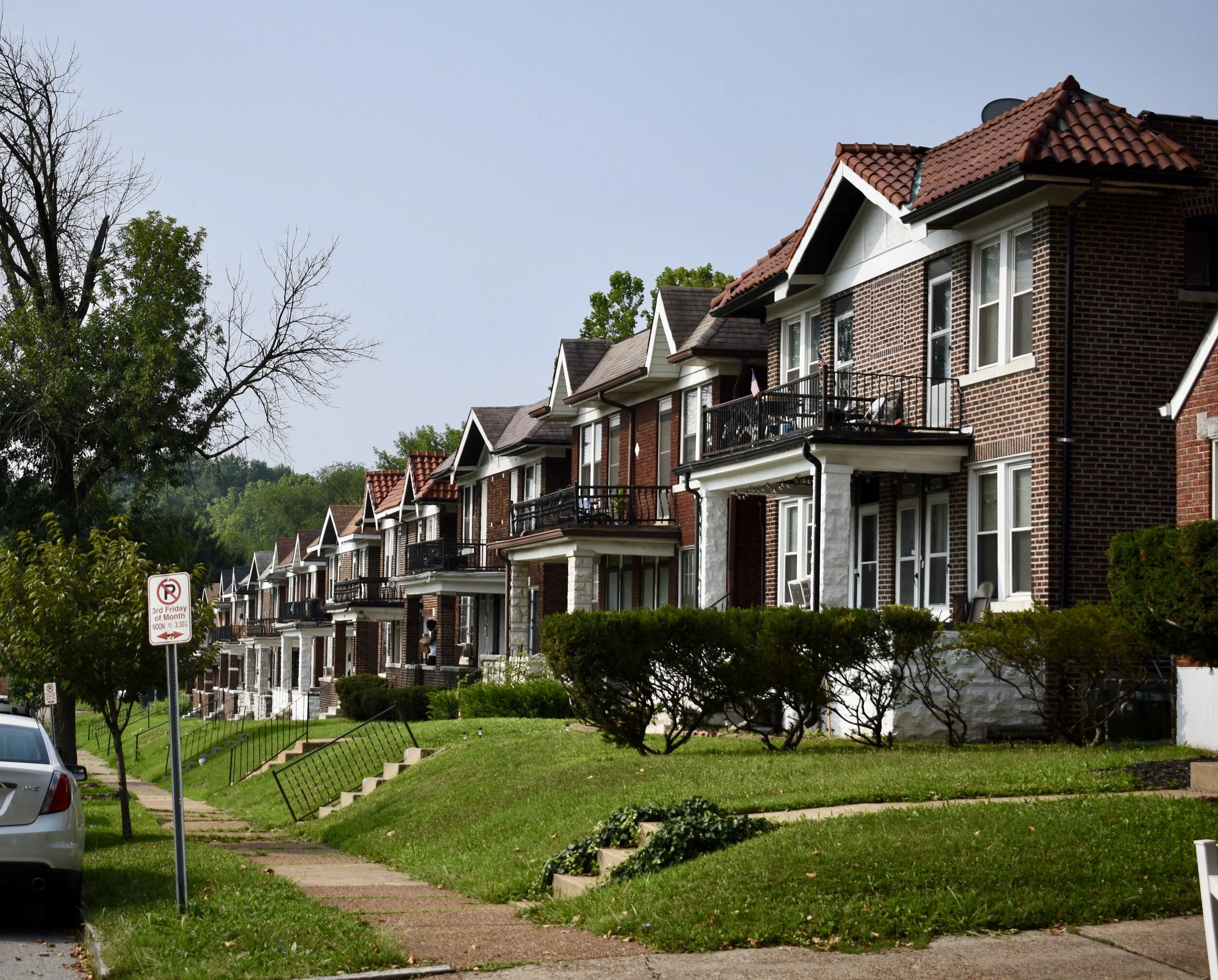
This beautiful place has parks, outstanding architecture, a largely intact street grid and…a velodrome. What’s not to like.
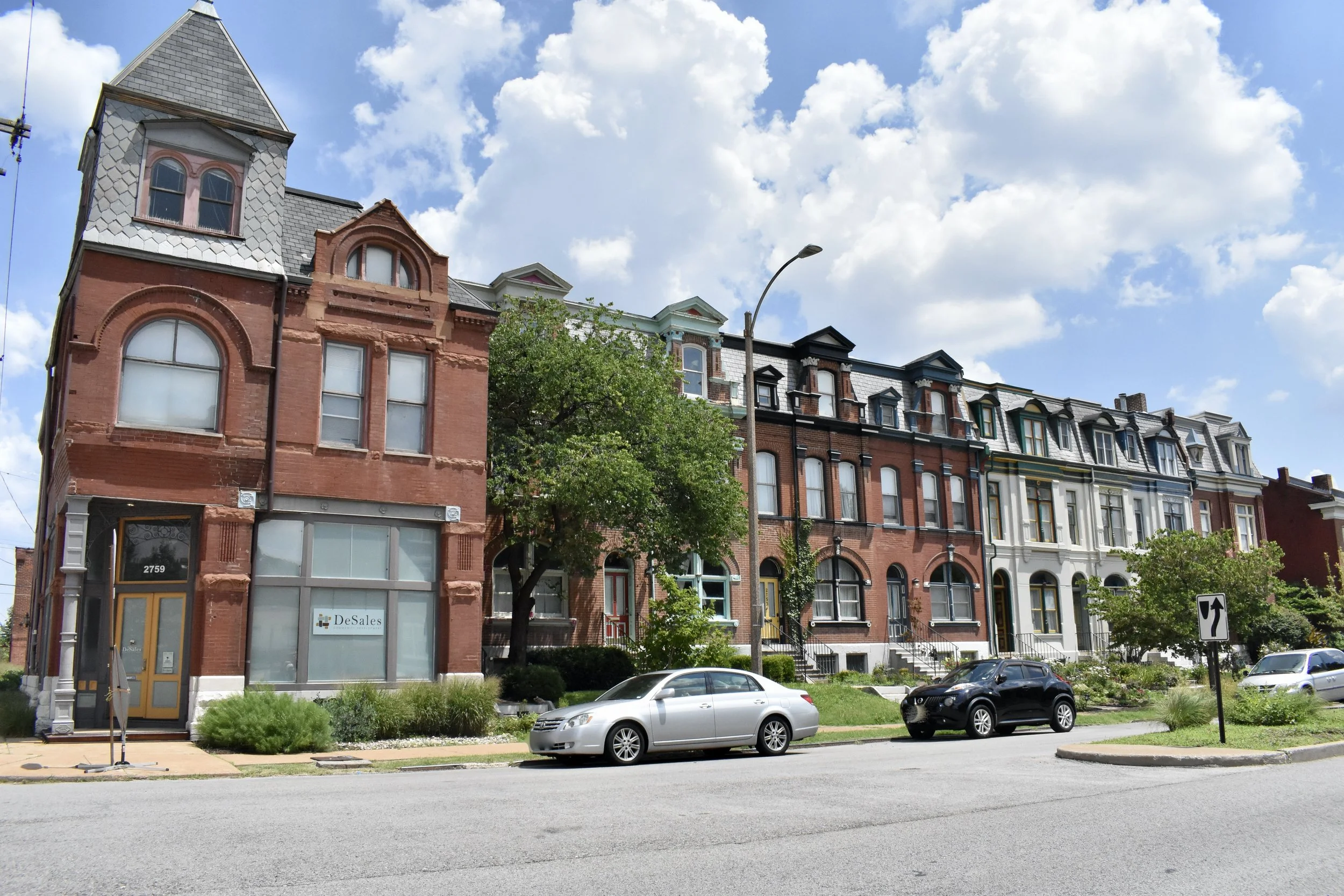
Fox Park, our home for the last 14 years, is a wonderful place and continues to improve over the years.
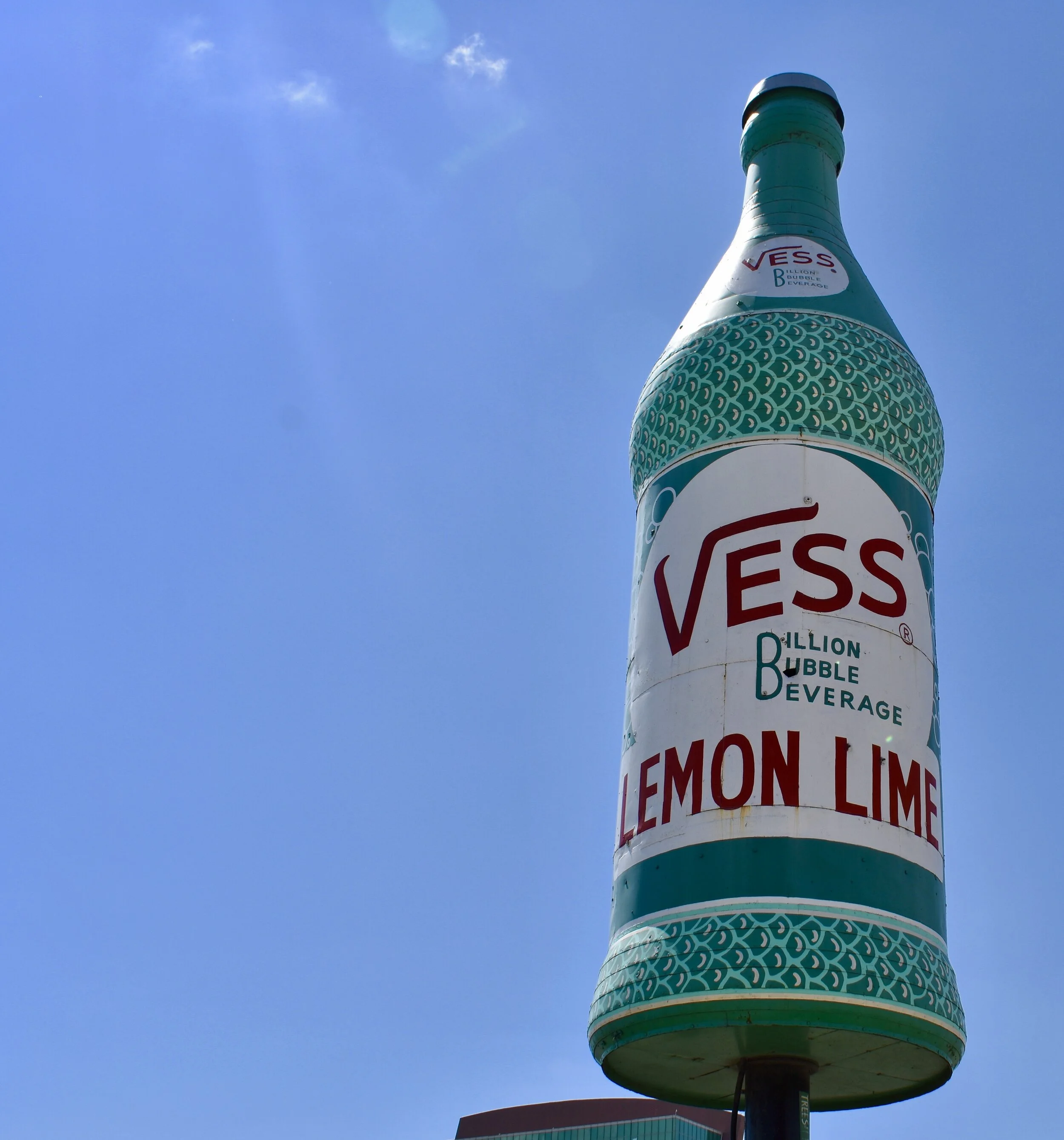
Once Italian and Irish “slums”, then Mid-Century warehouse/high-rise public housing, now affordable, urban-scaled homes built between the 1930s and current times. Mostly though, it has a 1980s feel, and it actually works pretty well.
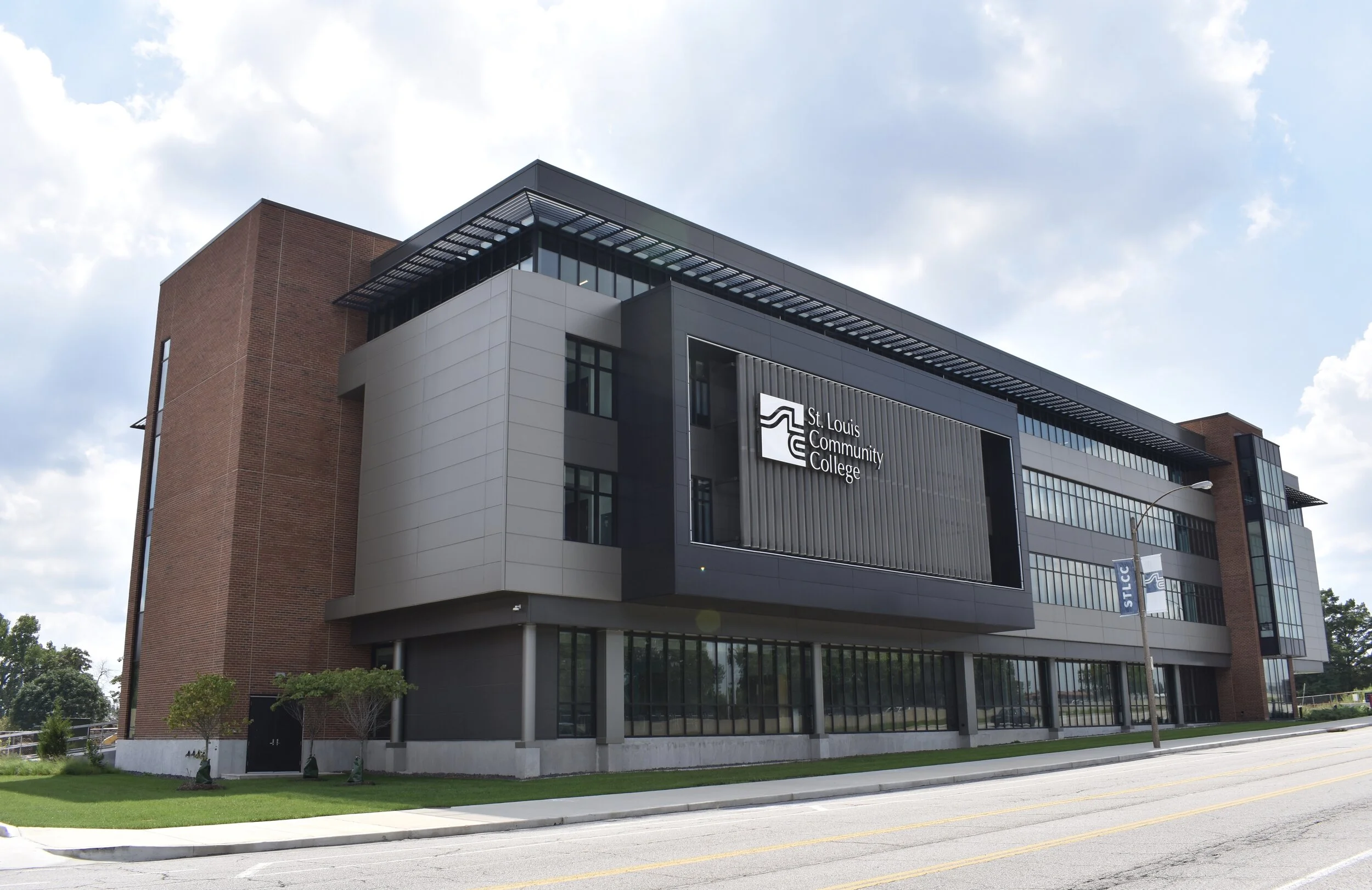
Cheltenham is one of the St. Louis neighborhoods to gain population due to new apartment construction in the Highlands area. Centered by St. Louis Community College - Forest Park campus, the neighborhood is a mix of light industrial and residential.
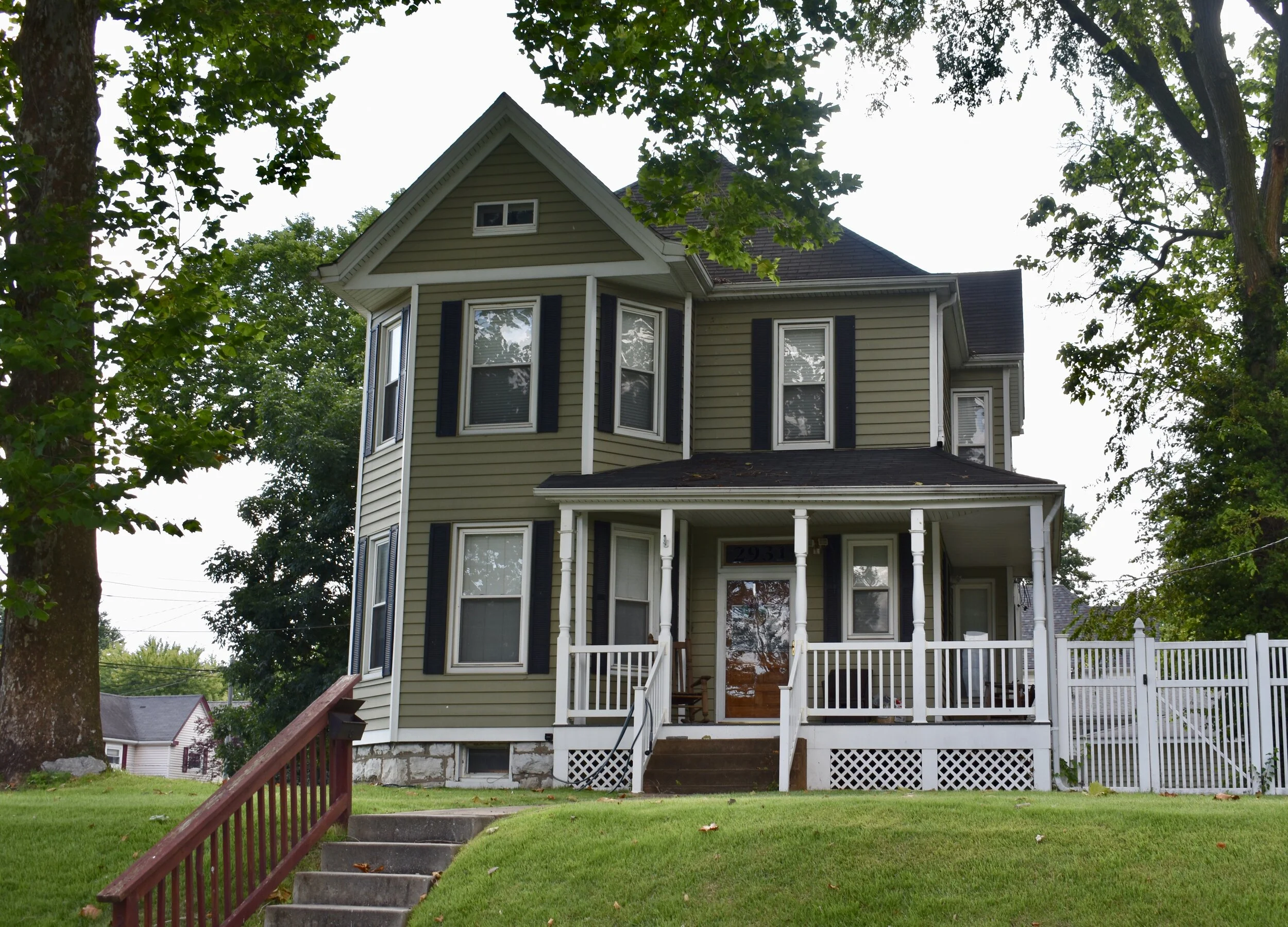
Ellendale is a unique neighborhood at the western border of St. Louis where it meets the small suburb of Maplewood, MO. A charming mix of mostly sided homes big and small.
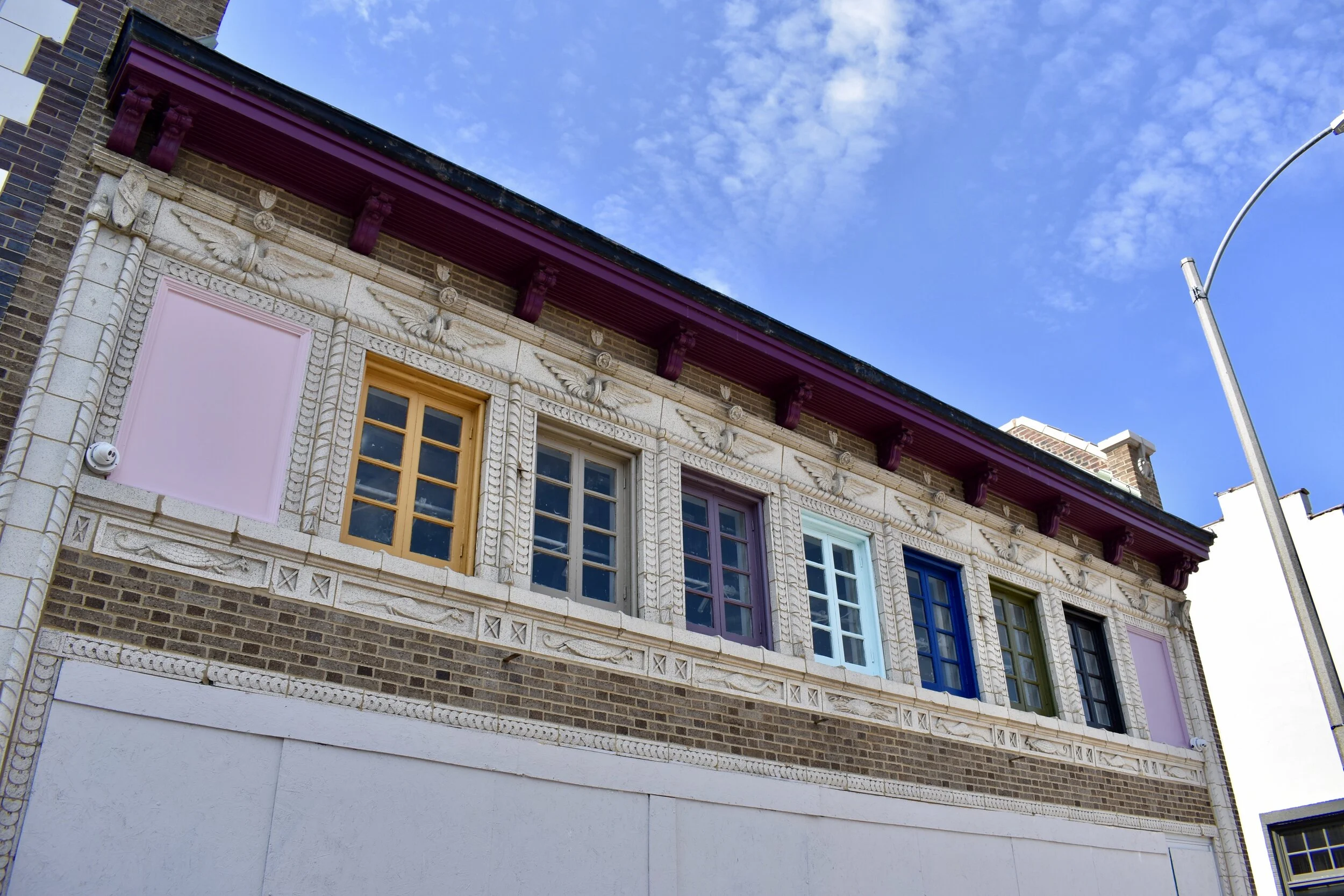
Midtown is a burgeoning neighborhood of St. Louis that has seen much investment and care. Midtown Alley, St. Louis University, Wells Fargo Advisors are all familiar sections. The architecture is incredible, largely intact and much good news and investment appears to follow Midtown into the next decade.

North Pointe is an idyllic setting at the north west border of St. Louis. Largely well maintained gingerbread homes and small lawns.

LaSalle Park is a victim of the Interstate highway system isolating it from Souldard to the east. It is also tragically isolated by Tucker and Chouteau, two of St. Loui's’ most overly-wide streets. LaSalle Park survived multiple attempts at urban clearance and mass blighting to become somewhat stabilized. The historic and replica infill is great as is the newly renovated public housing in the neighborhood.
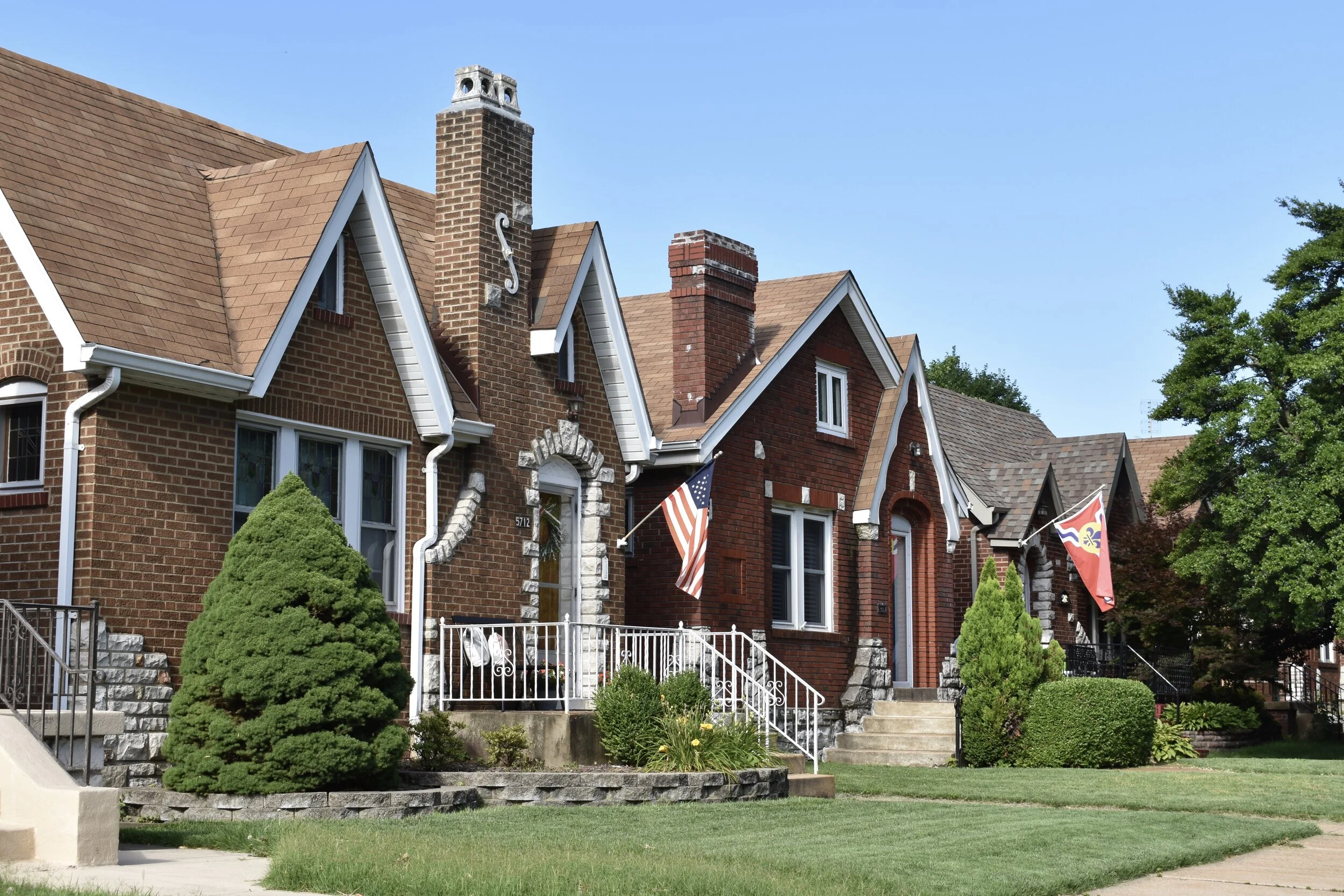
Southampton is a tidy collection of charming homes mainly built from 1905-1930s. Gingerbread homes your thing? You’ll love it here. This neighborhood is so South City in every way. We updated this post in July, 2020.
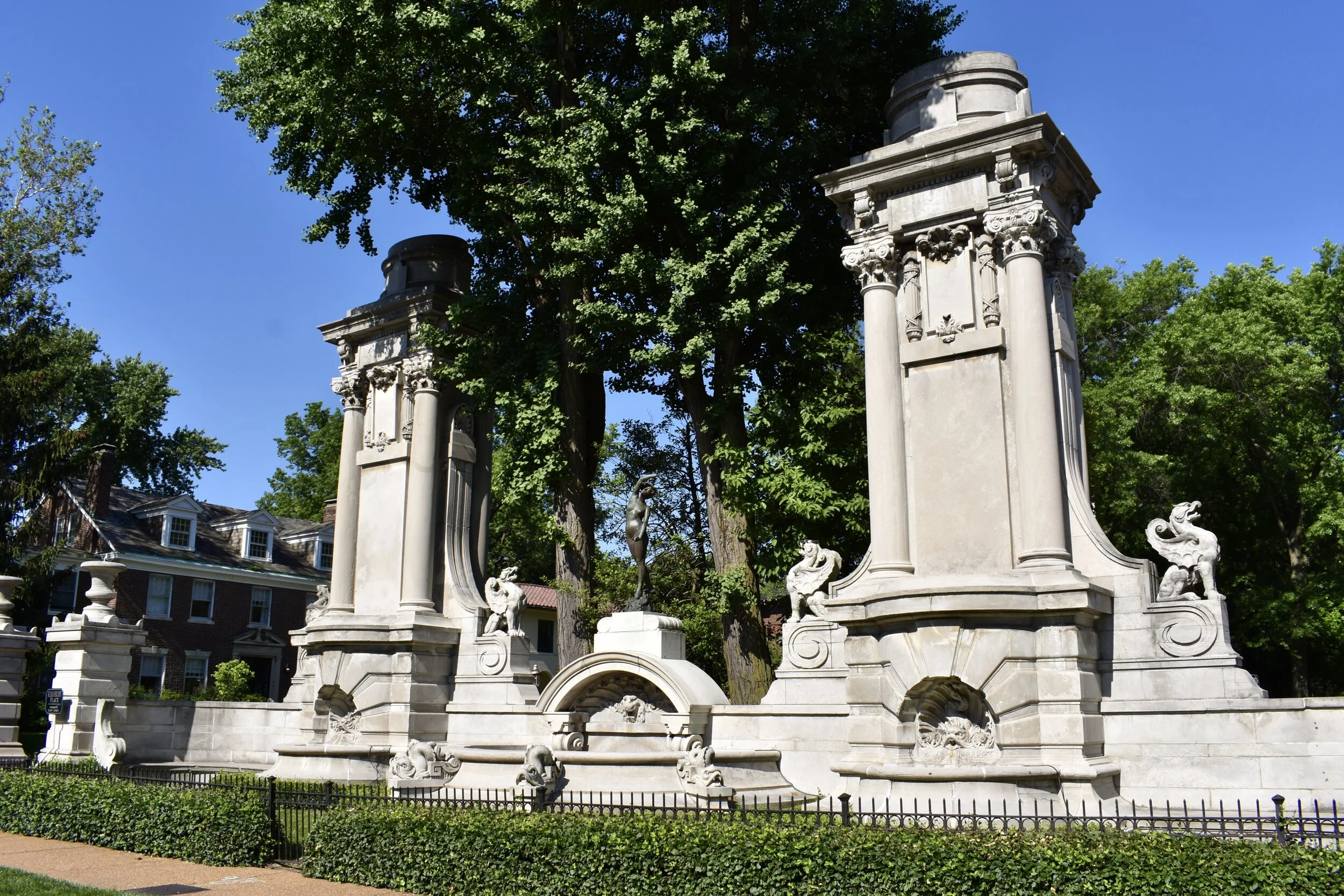
DeBaliviere Place is one of St. Louis neighborhoods that was built around the 1904 Worlds Fair, continuing through the 1920s, with many gorgeous mansions and apartment buildings. Just north of Forest Park, this area has seen new multiunit residential construction in recent years and is on the verge of yet another transformation along DeBaliviere Avenue.
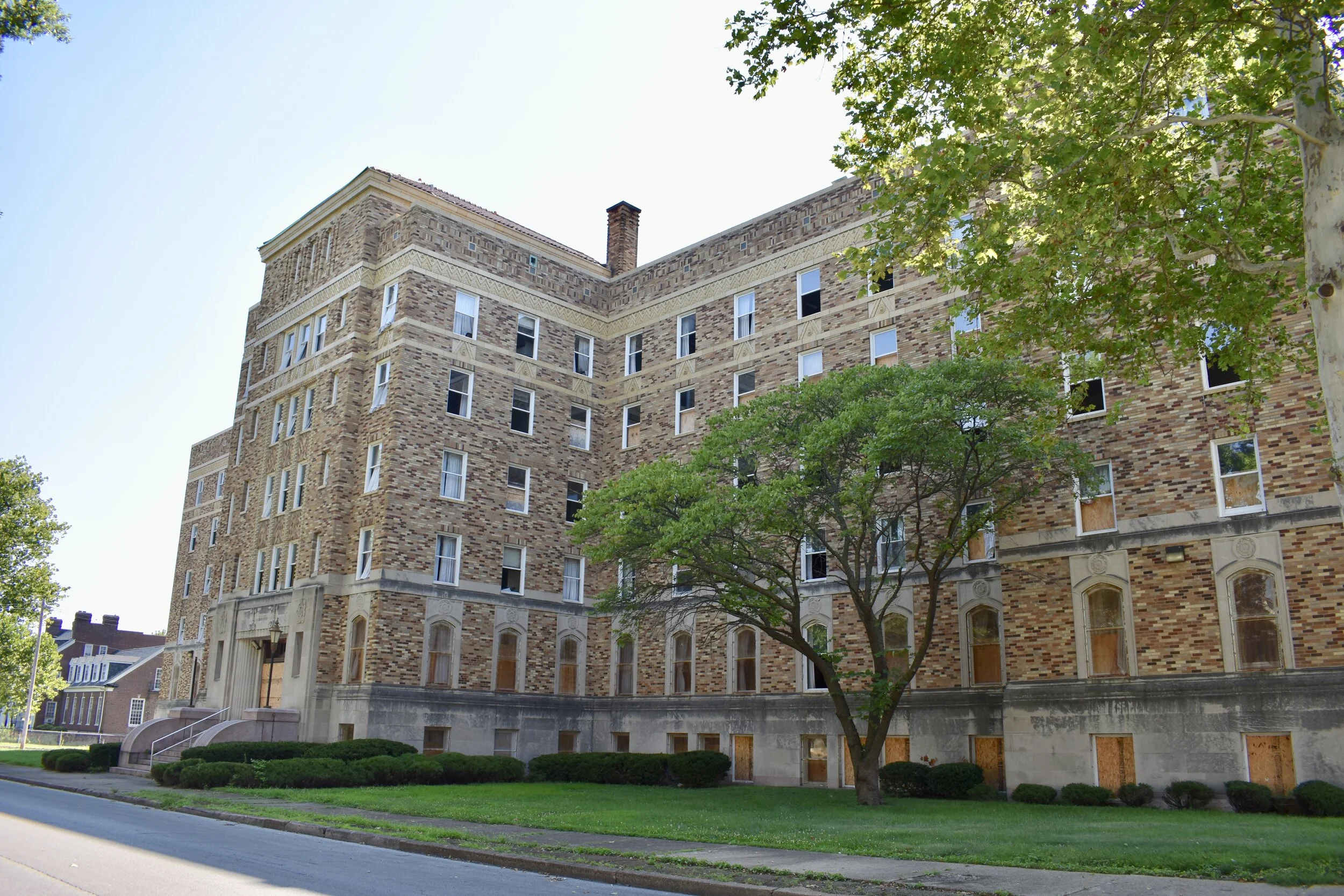
Arguably the most historic black neighborhood in St. Louis, the Ville was home to many famous St. Louisans. The Ville has seen devastating losses of both population and places in the last twenty years. Still a gorgeous place, it is ready for the next generation to take it back.
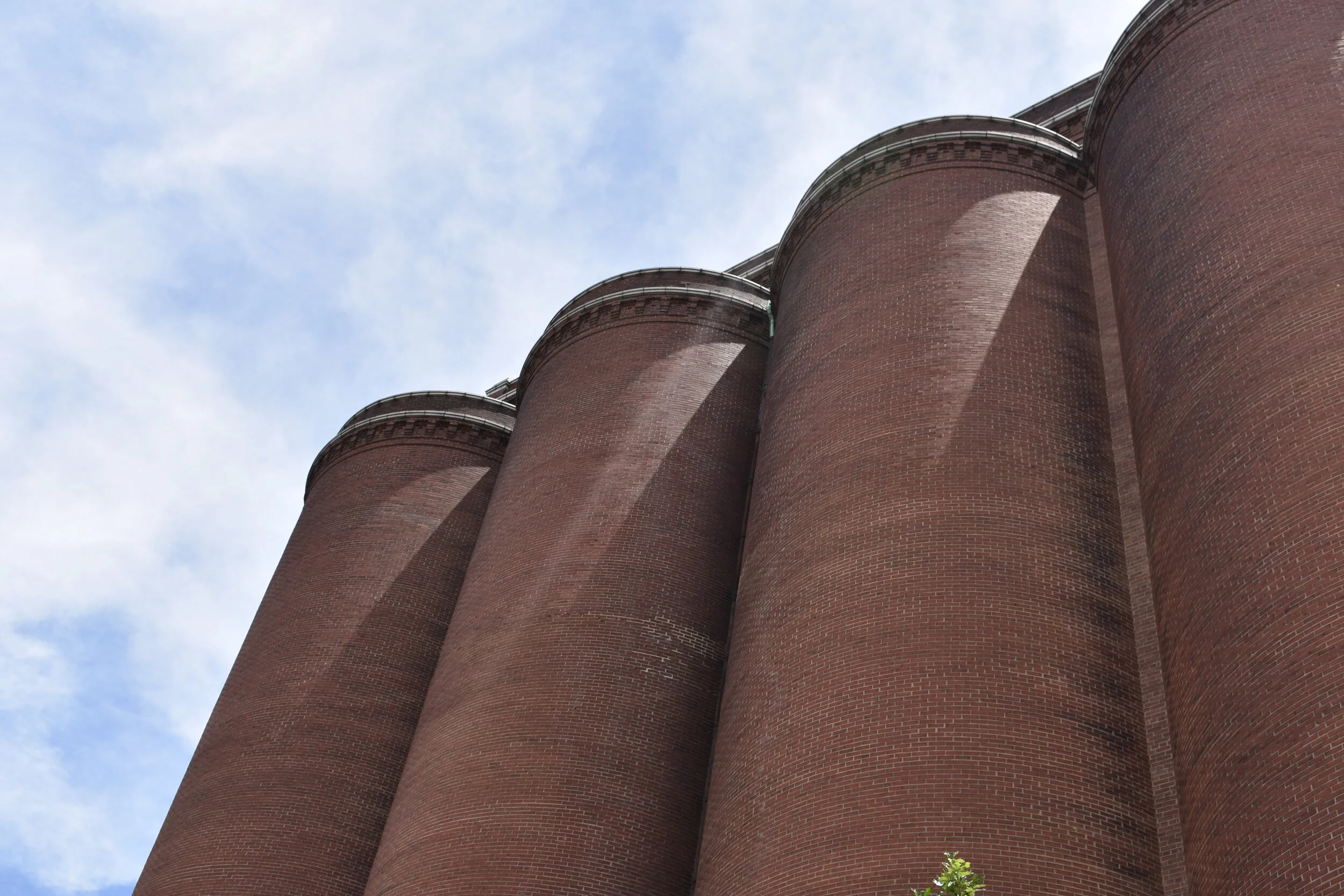
Marine Villa is one of four Cherokee Street neighborhoods. This post is from February, 2010 with updates from June, 2020.

Kings Oak is a highly visible neighborhood, as it can be seen just south of I-64, across from Forest Park's baseball fields and horse stables; and it's eastern border is visible on the heavily travelled Kingshighway Blvd. Several easily recognizable institutions (St. Louis University High, St. Louis Science Center and Compton Drew Investigative Learning School) anchor the neighborhood.
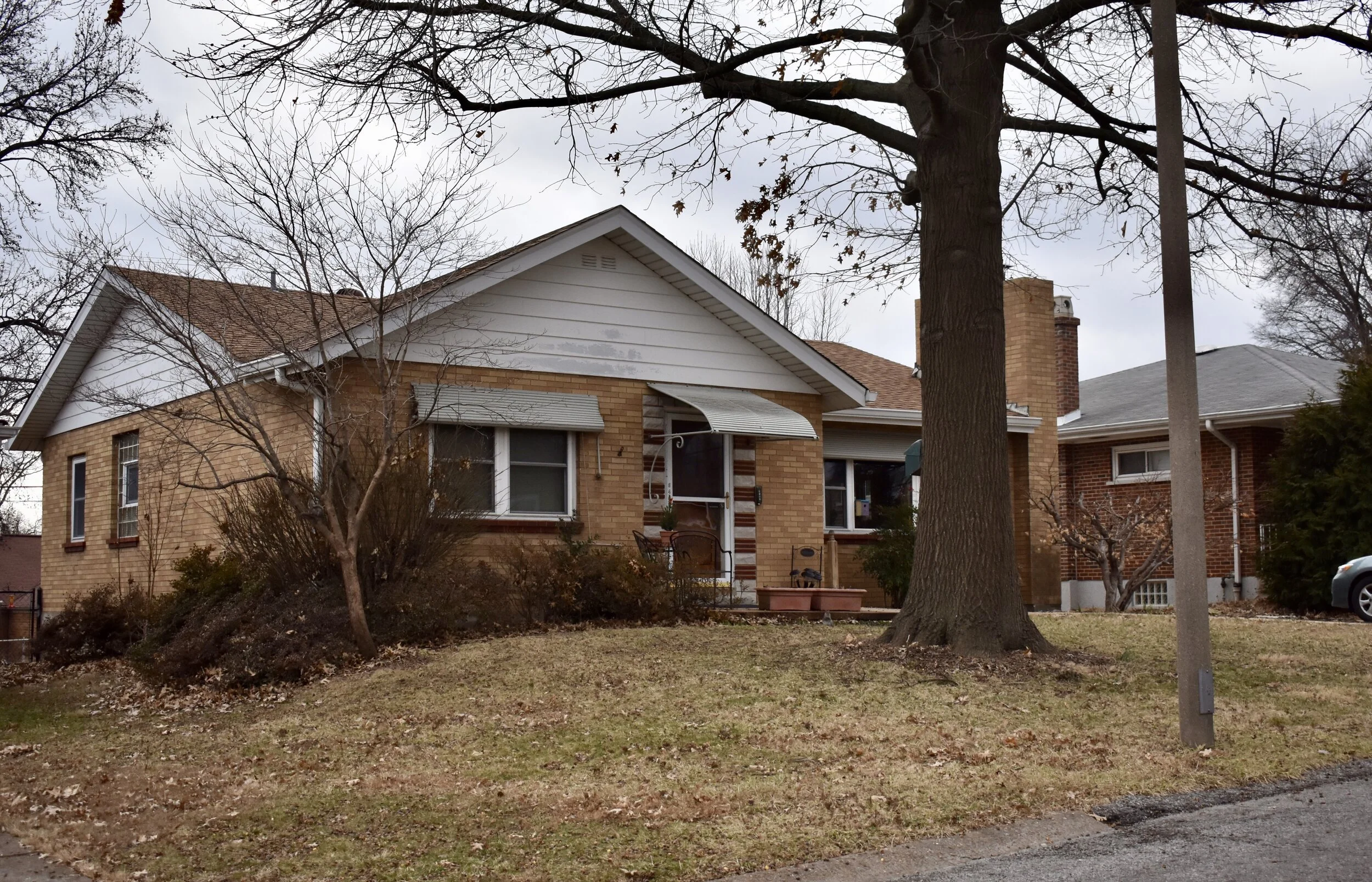
The neighborhood has some areas that are typical of South City, a la Holly Hills, Princeton Heights, Southampton, etc. Other parts of the neighborhood are more suburban with cul-de-sacs and no sidewalks, etc. Overall, the edge of the city that gives you a distinct feel of the Southside, with a taste of what South County becomes.

A neighborhood many lump in with Carondelet, and that’s historically true, but the Patch has been it’s own distinct neighborhood since 1979. One of the oldest and most varied neighborhoods, it is a personal favorite for exploration and photography.

As you may be able to grasp from the above entry, this place is struggling. Frankly, the housing stock that exists in WPE was probably never anything out of the ordinary or special in any way. Working class, small, mostly frame houses were built here. The brick bungalows that were built here are not in great enough numbers to be impactful or stand out. The housing in WPE is not really similar to any other neighborhood I've visited so far. Meaning, the structures just aren't that special. This is not as true for Walnut Park West, but I'll get to that in a separate post.
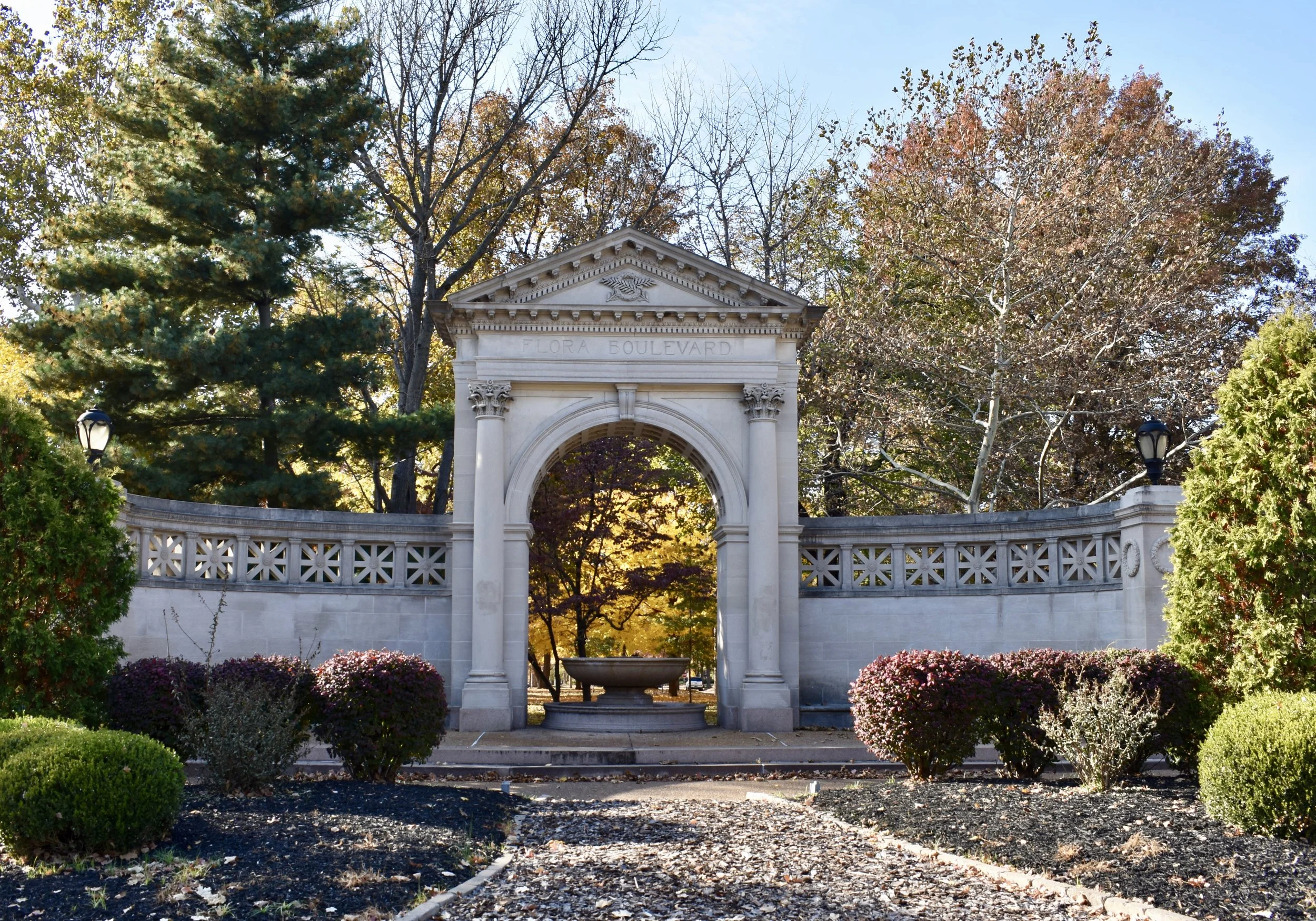
With Tower Grove park and the Grand/South Grand businesses district directly to the south and the Missouri Botanical Gardens directly to the west, this neighborhood it tucked amongst some of the regions greatest assets. The views along Grand within Shaw are probably familiar...

Visitation Park is a near north city neighborhood with beautiful mansions, incredible architecture and a prominent park. This neighborhood tour was originally published in December, 2009 with updates from July, 2019. The neighborhood is bound by Delmar Boulevard to the south, Belt Avenue to the west, Maple Avenue to the north and Union Boulevard to the east.

Princeton Heights is a tidy south city neighborhood that benefits from being near the Macklind Avenue district and the convenience of South City shopping, parks and services. If you like the St. Louis gingerbread, bungalows and Dutch colonial homes, this is one of the spots to find them. This neighborhood tour was originally published in December, 2009 with updates from September, 2019.
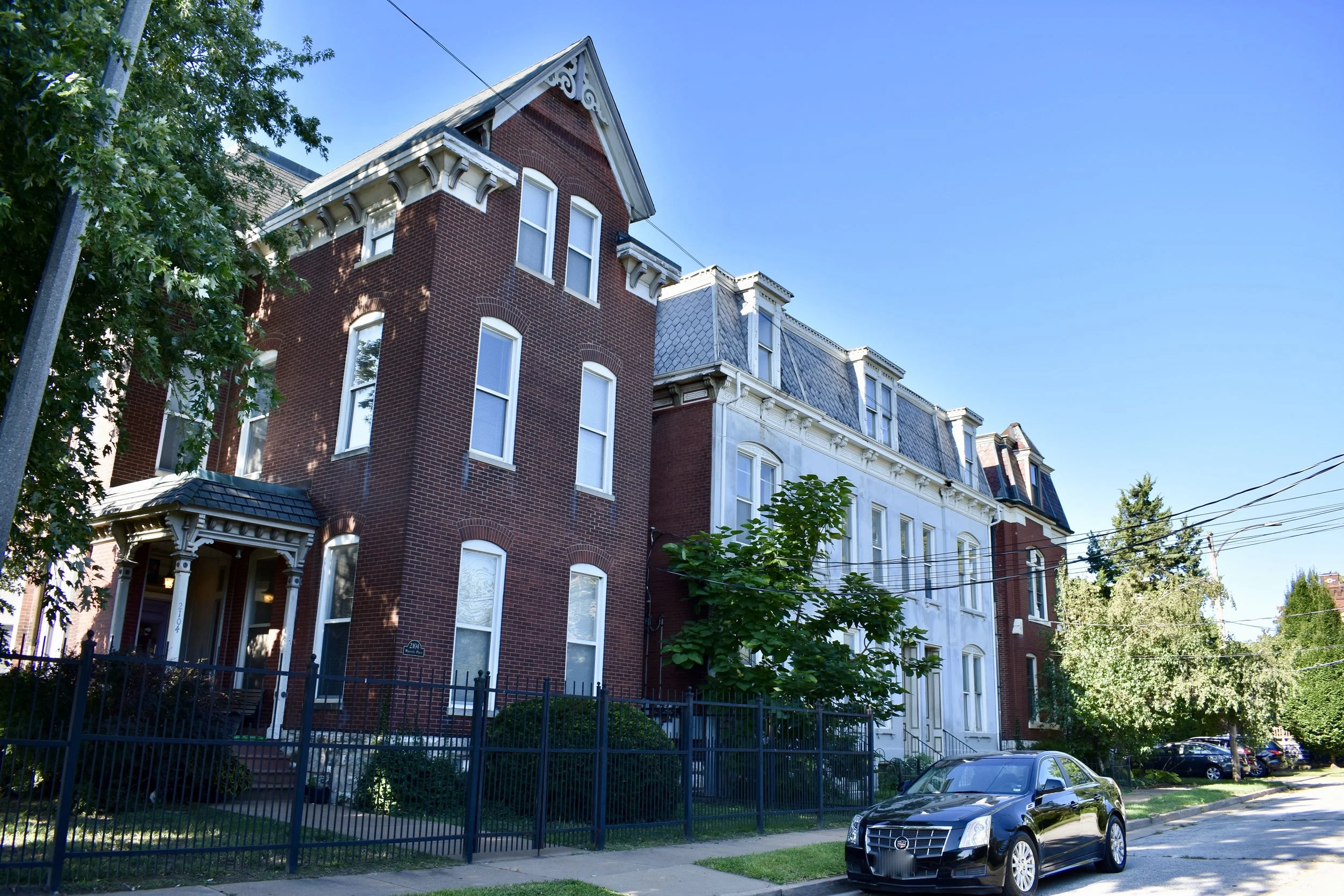
McKinley Heights is a south central city neighborhood conveniently located to all things the city offers. The neighborhood is bound by Gravois Avenue to the south and east, Jefferson Avenue to the west and I-44 to the north. This neighborhood tour was originally published in October, 2009 with updates from September, 2019.
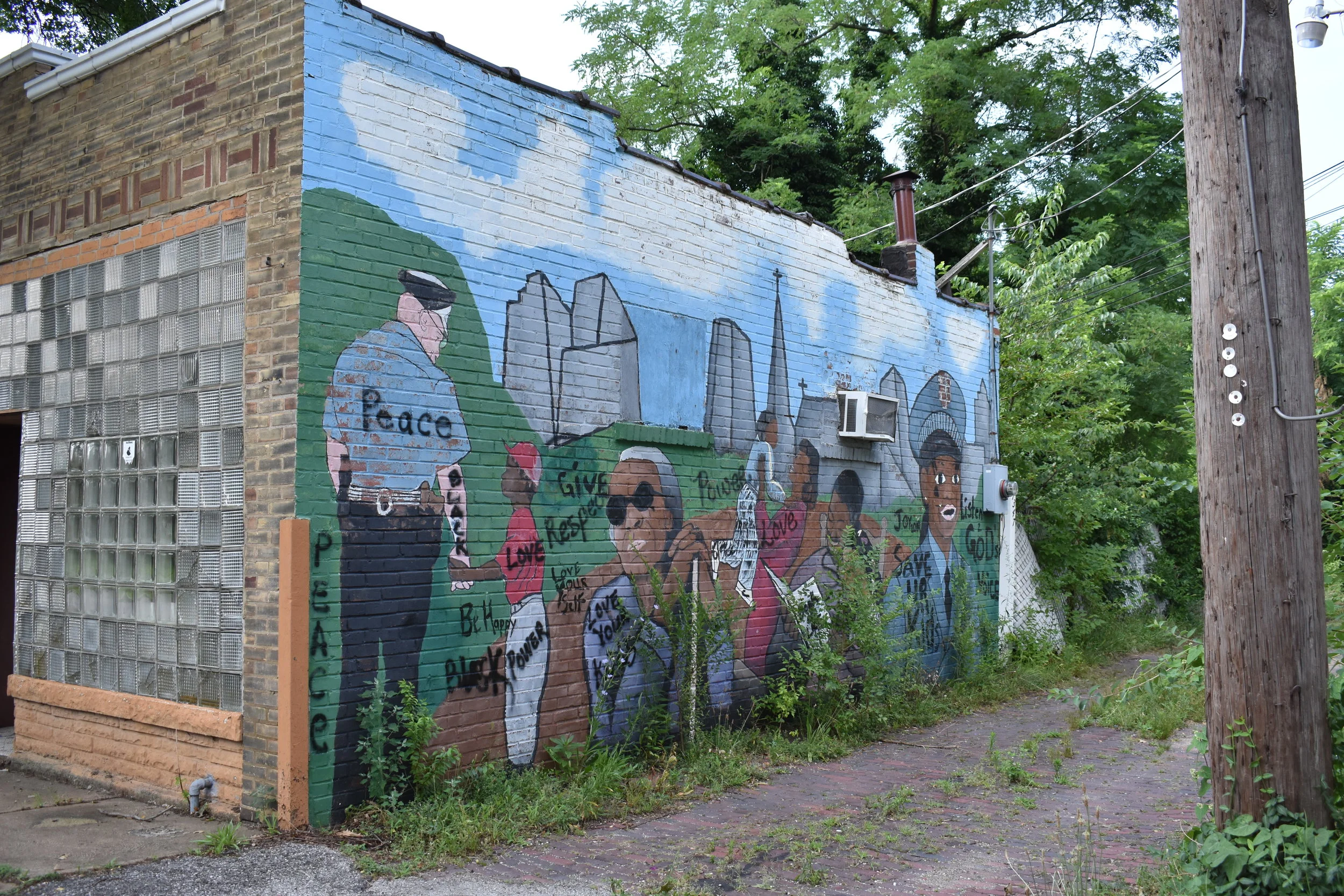
Hamilton Heights is a Northwest St. Louis neighborhood bound by Dr. Martin Luther King Drive to the north, Union Boulevard to the east, Page Boulevard to the south and the St. Louis border with Wellston, MO to the west. This tour was originally published in 2009, with updates from 2019.
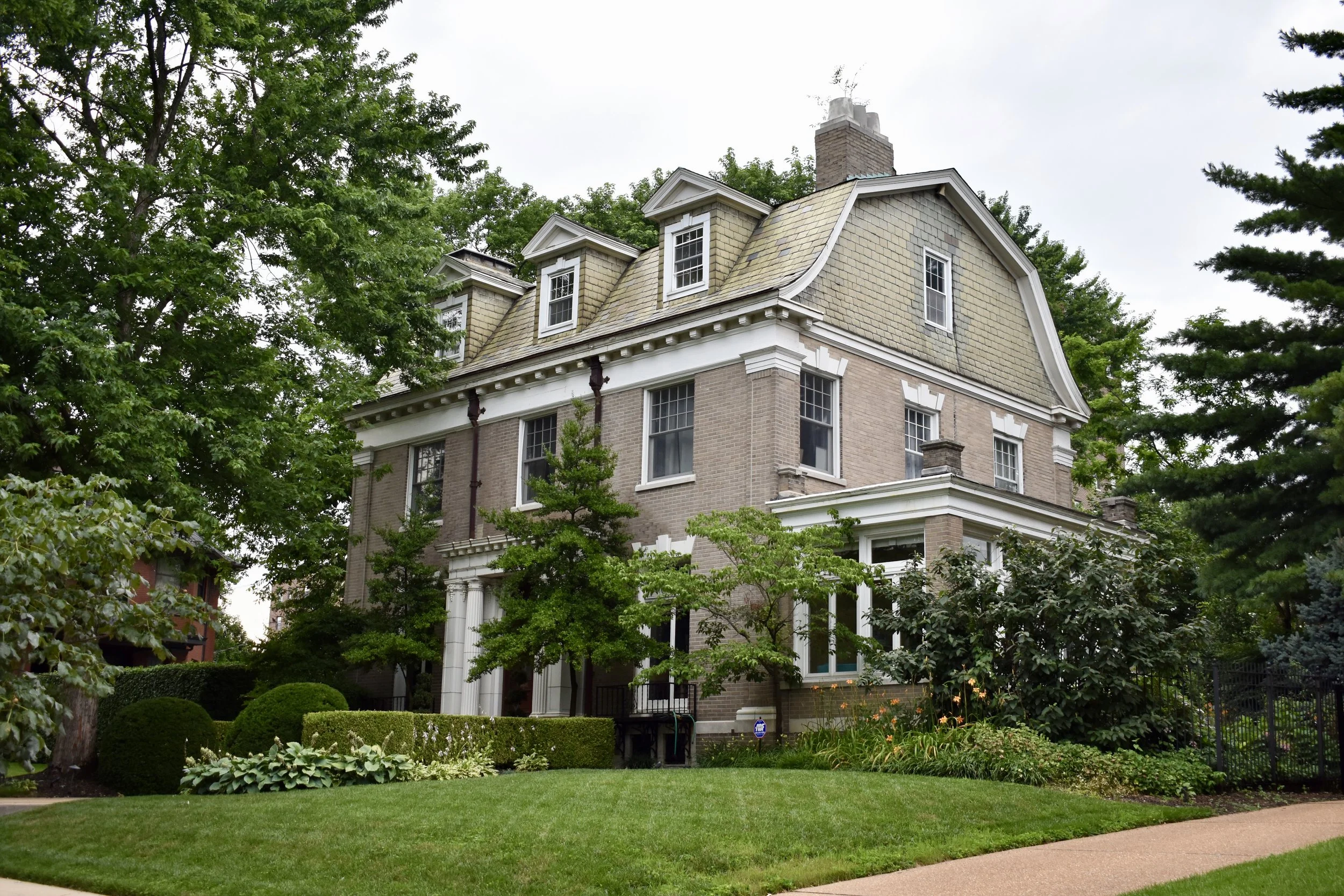
Compton Heights is a near south city neighborhood with beautiful mansions, incredible architecture and a fantastic park. This is one of the rare fully built-out neighborhoods. This neighborhood tour was originally published in September, 2009 with updates from July, 2019.
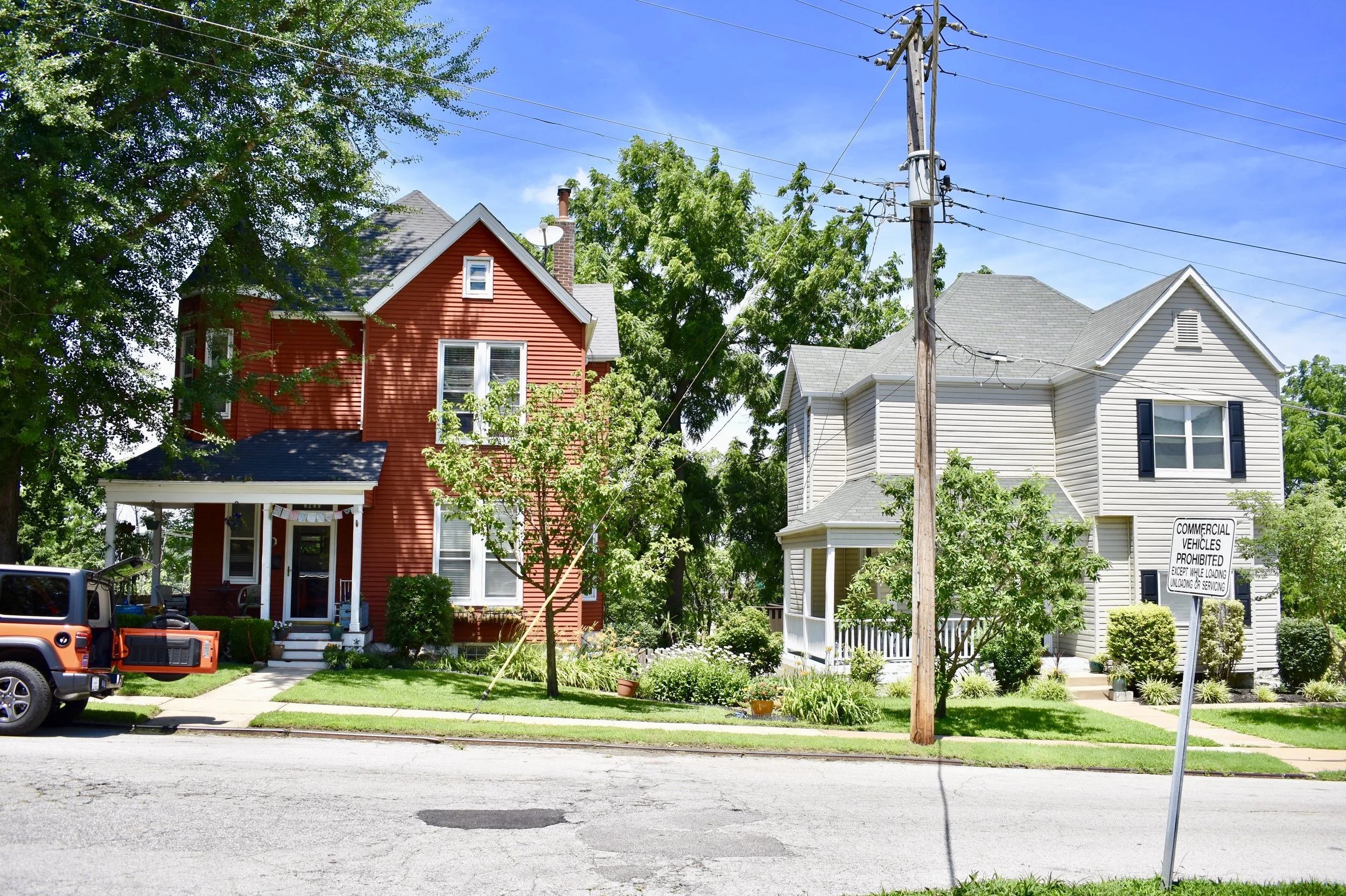
Clifton Heights is a southwest city neighborhood with beautiful homes, hilly topography and a prominent park. This neighborhood tour was originally published in September, 2009 with updates from June, 2019. The neighborhood is bound by Arsenal Street to the south, I-44 to the west and north and Hampton Avenue to the east.

Arguably, the best example of a rebounding neighborhood from 2010-2020. Botanical Heights has become a place that can be used as a roadmap for future St. Louis rebuilding and investment (west of Thurman that is).
Archive

Downtown truly is the door step of the city. It's our face to the world. Ask someone about St. Louis and they'll probably say St. Louie...yeah, the Arch. For better or worse, DT defines the St. Louis metropolitan region as a whole. The DT experience is the St. Louis experience for many, if not most suburbanites, regional visitors, tourists and even some citizens of St. Louis. It's a fact that many in the region refer to the entire City of St. Louis as "Downtown"...so the stakes are high. A vibrant DT means a vibrant STL to most. A 3X gain of residents in Kings Oak will not have nearly the same impact as a similar gain in DT would...and for that, I'm optimistic for St. Louis' future for first impressions, etc. The historic tax credits have largely made this boost in residents happen, that and the growing trend of people wanting to live in cities. In spite of the cities free wheelin' issuance of demolition permits and lust for parking lots, many vacant warehouse, office and factory buildings have been transformed to lofts, apartments, condos, new office/retail space, etc. It's been an amazing transformation to witness. DT was dead in the 1980's. When I moved here in 1994, it was gritty and vacant and starkly surreal, like a mothballed outdoor museum for cool buildings. Now it's everything from gritty to swanky...yet still cool. It's been a damn good 20 years for DT St. Louis. Despite all the job and tax base poaching that Clayton, Missouri and other cities in the suburbs have done to St. Louis over the last 50 years, DT is still the Central Business District and must continue to lure business, jobs and residents if it's to stay on it upward trend.